
TL;DR summary: If your San Francisco home did not sell, pause before putting it straight back on the market. Review the price, buyer feedback, presentation, marketing, showing access, and nearby competition as one connected strategy. A successful relaunch should look and feel meaningfully different, with a defensible price, stronger preparation, new marketing assets, and a clear launch plan.
An expired or withdrawn listing is disappointing, but it is also useful evidence. The market has already shown you where buyers hesitated. Your next step is to read those signals carefully, decide what can be changed, and relaunch only when the home has a stronger reason to earn attention.
That diagnosis matters in San Francisco real estate, where buyer expectations can shift block by block. A Victorian flat, a Mission Bay condominium, and a detached Sunset home are not competing in the same way, even when their asking prices overlap. Property type, outlook, parking, outdoor space, condition, monthly dues, natural light, and the quality of the disclosure package can all change how buyers respond.
First, Find Out Why the Home Did Not Sell
Before discussing a new list date, ask for a candid review of the first campaign. The useful questions are specific:
- How many buyers saw the listing online, attended an open house, scheduled a private showing, returned for a second look, or requested disclosures?
- Where did interest drop off?
- What objections appeared repeatedly?
- Which competing homes went pending, and what did they offer that yours did not?
- Did showing restrictions, incomplete documents, or slow follow-up make the home harder to evaluate?
Separate facts from polite comments. One buyer disliking a paint color is noise. Several buyers questioning the same floor plan, light level, condition issue, or monthly cost is a pattern. A complete review of the selling process can reveal whether the problem began before the listing ever went live.
Rebuild the Pricing Strategy From Current Evidence
Pricing is not a verdict on what your home is worth to you. It is a positioning decision: where should the property enter the market so the right buyers see it, understand it, and feel enough urgency to act?
Start with a fresh home valuation based on the most relevant recent sales, pending listings, active competition, and listings that failed to sell. Give the most weight to homes that share the features buyers actually compare: property type, location, size, condition, parking, outdoor space, views, building quality, and recurring ownership costs.
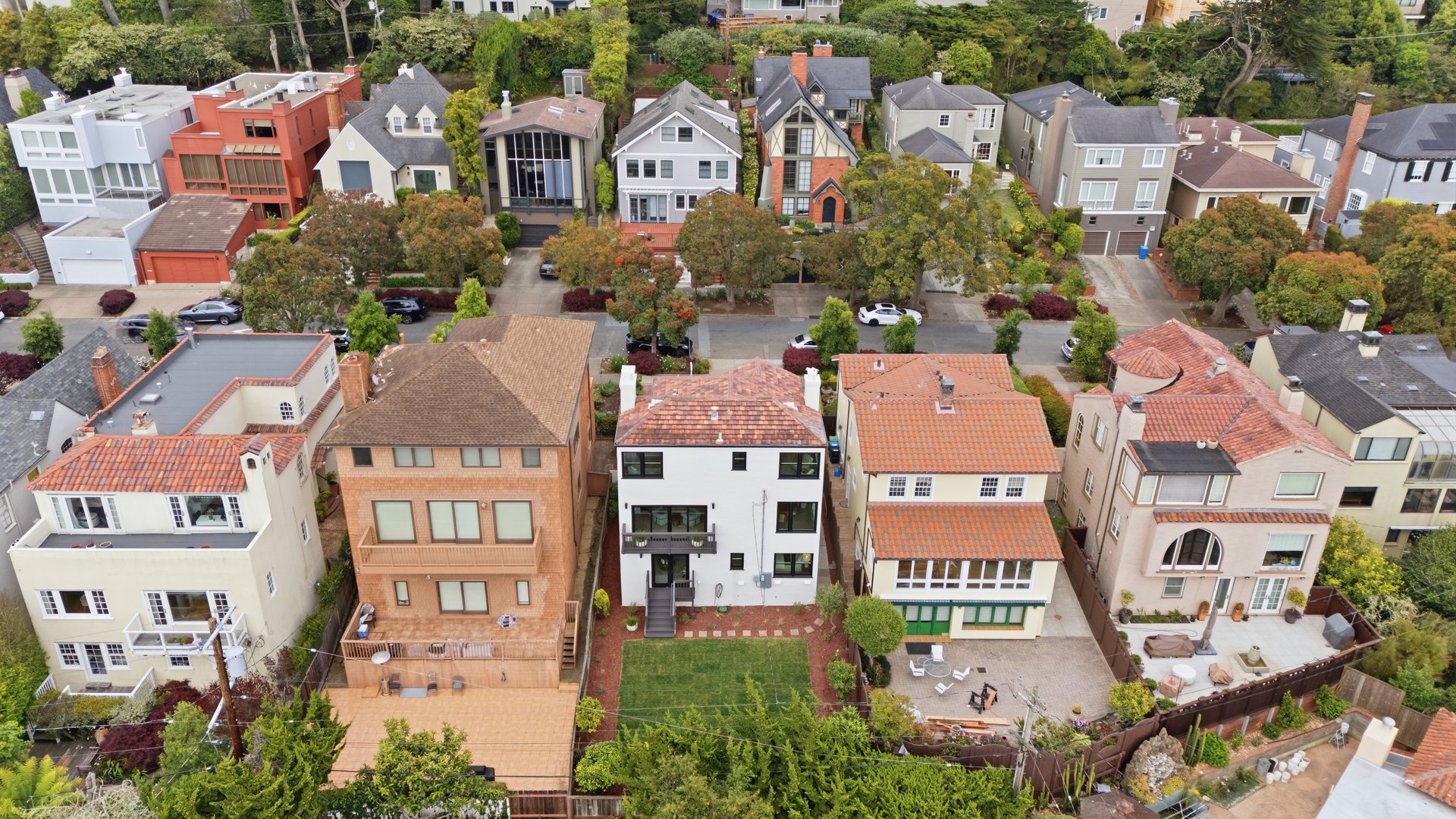
An aerial view of a San Francisco residential neighborhood reveals a mix of architectural styles, lot sizes, streets, gardens, and property types—differences that can influence how buyers compare homes in the same market.
San Francisco list prices do not always function as simple estimates of the final sale price. Depending on the property and the current market, a list price may be used to concentrate attention and invite competition. That does not make every low asking price smart, and it does not rescue a home whose presentation or positioning is weak. The right number should fit the likely buyer pool and the complete launch strategy. This is why home pricing should be discussed in context rather than reduced to an online estimate.
The pattern of activity can help narrow the issue. Very few showings often point to price, reach, or the way the listing appears online. Many showings without an offer often point to a gap between the promise created online and the experience in person. Offers far below expectations may indicate that buyers see a common cost, risk, or condition issue that has not been accounted for.
Turn Buyer Feedback Into a Preparation Plan
Do not renovate by reflex. Rank potential changes by three questions: Will this remove a repeated objection? Will it materially improve the first impression? Is the likely benefit worth the cost and time?
For many San Francisco homes, the highest-impact work is disciplined rather than dramatic: completing visible repairs, editing furniture, improving lighting, repainting tired rooms, cleaning windows, refining landscaping, and staging to make circulation and room purpose immediately clear. The right preparation plan should reflect the home's architecture and buyer, not flatten its character into a generic remodel.

A bright, thoughtfully staged living room combines natural light, warm furnishings, artwork, and carefully arranged seating to create a polished and welcoming presentation for prospective buyers.
Older homes may need a clearer explanation of repairs, permits, systems, or seismic work. Condominiums and TIC interests need organized documents that help buyers understand the building, financial obligations, and ownership structure. Sellers should work with qualified real estate, legal, tax, and inspection professionals as appropriate; the goal is to make the property easier to assess, not to disguise a concern.
Refresh the Marketing, Not Just the Listing Date
A relaunch needs more than a new first sentence. Revisit the full marketing plan: photography, image order, headline, description, floor plan, video, property website, broker outreach, open-house schedule, digital distribution, and follow-up.
The first images should answer the buyer's biggest questions quickly. Show the strongest space, the relationship between rooms, usable outdoor areas, views, parking, and any feature that is difficult to understand from the street. If the property is vacant or the existing furnishings obscure its scale, virtual staging may help buyers see possibilities, provided the presentation is accurate and clearly disclosed where required.
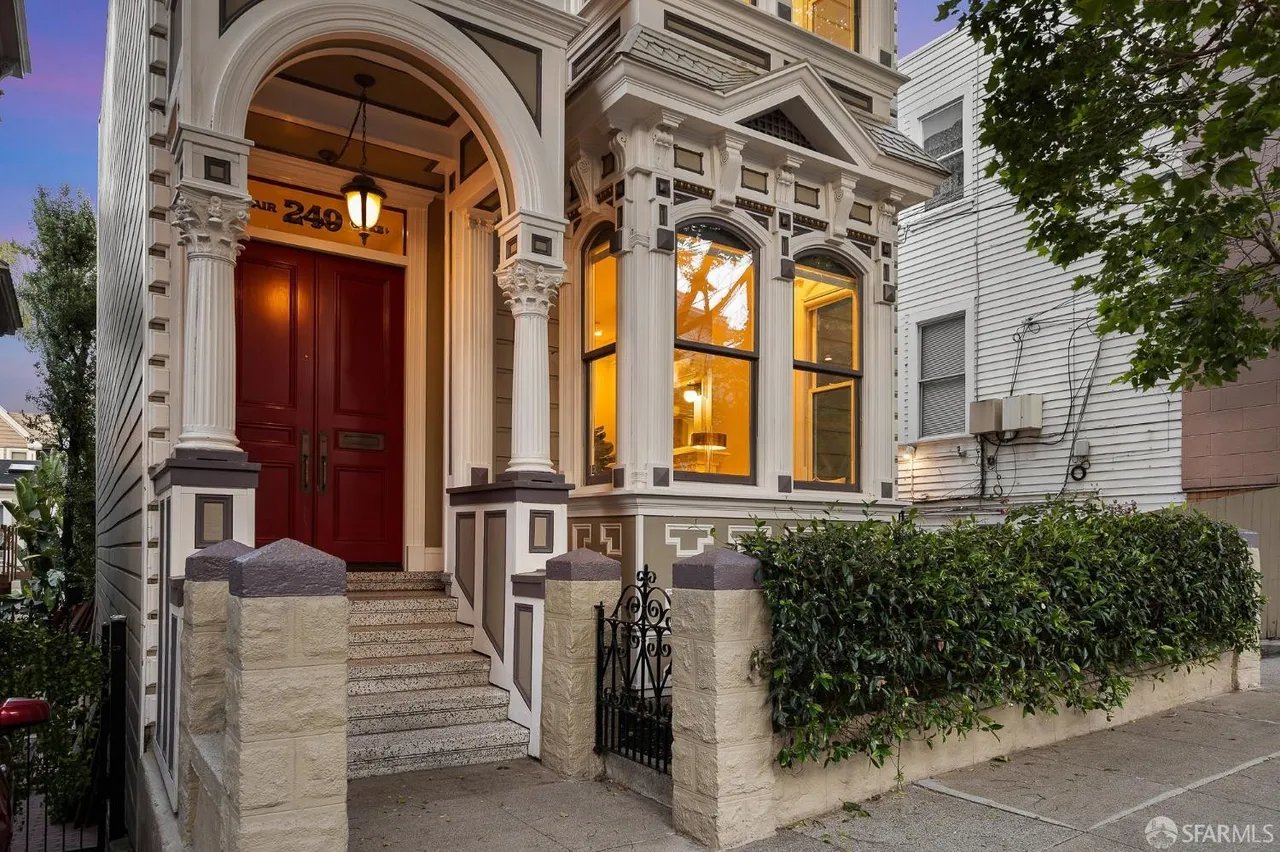
The detailed facade, tall windows, covered entry, and landscaped frontage illustrate the architectural and exterior features that can shape a buyer's first impression of a San Francisco home.
Rewrite the description around concrete value. Replace broad claims with details a buyer can evaluate: morning or afternoon light, storage, separation of bedrooms, direct outdoor access, architectural features, recent improvements, building amenities, and useful neighborhood connections. The copy should also address a known weakness honestly when added context can reduce uncertainty.
Choose the Right Moment to Relaunch
There is no universal waiting period. The home should return when the strategy is materially better, not simply when enough days have passed. Before choosing a date, review current competition, expected new inventory, buyer activity, the preparation timeline, and your own moving plans. Historical seasonality can offer context, but the best time to sell is also shaped by when the property is truly ready.
Do not assume that canceling and relisting will erase the earlier campaign. MLS calculations and consumer-facing listing histories may treat a relaunch differently. Ask your agent to explain the current rules, what buyers and agents are likely to see, and whether a status change affects the presentation of days on market.
A well-planned relaunch usually includes a quiet preparation period, completed disclosures, final staging, new photography, advance agent outreach, a coordinated go-live date, easy showing access, and a defined review point after the first wave of activity. Compare that plan with current market updates rather than relying on the conditions from the original launch.
Set Decision Points Before the Home Goes Live
The relaunch should come with a written plan for what happens next. Decide in advance how you will evaluate online engagement, open-house traffic, private showings, disclosure requests, second visits, and offers. Agree on when to revisit price or presentation so the listing does not drift.
It also helps to define your priorities before negotiations begin. Price matters, but so do timing, financing, contingencies, possession, and certainty. A clear framework for how to evaluate an offer makes it easier to compare the full terms rather than react to a single number.
What a Strong Relaunch Looks Like
- Clear diagnosis: The team can explain why the first listing stalled using activity, feedback, and comparable properties.
- Defensible price: The new position reflects current competition and the likely buyer pool.
- Visible change: Preparation and presentation address the objections that mattered.
- New creative: Photography, copy, floor plans, and digital assets make the home easier to understand.
- Coordinated launch: Agent outreach, showings, open houses, and follow-up begin together.
- Pre-agreed checkpoints: The seller and agent know when and how they will adjust.
Recent San Francisco sale strategy examples can be useful, but the lesson is not to copy another home's list price or campaign. It is to see how preparation, positioning, and execution work together. A broader set of case studies can help you ask sharper questions about the plan for your property.
Should You Relist With the Same Agent?
The answer depends on the quality of the diagnosis and the strength of the new plan. Review your listing agreement and any continuing obligations first. Then ask the same questions whether you are interviewing the previous agent or someone new:
- What specifically limited the first campaign?
- Which changes are essential before relisting, and which are optional?
- How is the recommended price supported?
- What will be different in the marketing and launch?
- How will feedback be collected and reported?
- What decision points will guide adjustments?

A real estate professional discusses the property with homeowners, pointing out features and considerations that can help shape the strategy for bringing a home back to market. Photo by Vitaly Gariev on Unsplash
You should leave that conversation with more than reassurance. You should have a calendar, preparation scope, pricing rationale, marketing plan, communication cadence, and clear responsibilities. A detailed listing strategy is the foundation of the second launch.
Frequently Asked Questions
What should I do first if my San Francisco home doesn't sell?
Start with a written review of showing activity, buyer and agent feedback, competing listings, recent comparable sales, price changes, photography, property preparation, and showing access. The goal is to identify the main source of resistance before changing the strategy.
Should I lower the price before relisting?
Only after comparing the home's current position with recent sales, pending listings, active competition, and buyer feedback. If qualified buyers viewed the home but did not write, or the listing received very little attention from the start, price may be the central issue.
How long should I wait before relisting a home in San Francisco?
There is no universal waiting period. Relist when the price, presentation, marketing assets, disclosure package, and showing plan are materially stronger. Ask your agent how the applicable MLS and consumer websites will display the listing history before choosing a date.
Does relisting reset days on market?
Do not assume that withdrawing and relisting will erase the property's history. MLS calculations and the way consumer websites display prior activity can differ. Your agent should explain the current rules and what buyers are likely to see.
What improvements matter most before a relaunch?
Prioritize work that removes buyer objections or improves the first impression: repairs, paint, lighting, cleaning, editing furnishings, landscaping, staging, and better photography. The right scope depends on the home's condition, likely buyer, and expected return.
Can I change agents after my listing expires?
Review the listing agreement and any continuing obligations before making a change. Then evaluate the next agent's diagnosis, pricing logic, preparation plan, marketing execution, communication process, and relaunch calendar.