A neighborhood operating at 118% of asking — and the challenge of commanding a premium
November 2024 in the Central Sunset was defined by scarcity and acceleration. Single-family home sales jumped 25% year-over-year, active listings plunged by 40%, and inventory choked down to a razor-thin 0.4 months of supply. In a market where 100% of homes sold over asking at an average of 118.7% of list price, buyers had virtually zero leverage. But that exact frenzy creates a structural hazard for sellers: the assumption that any listing will automatically command the ceiling.
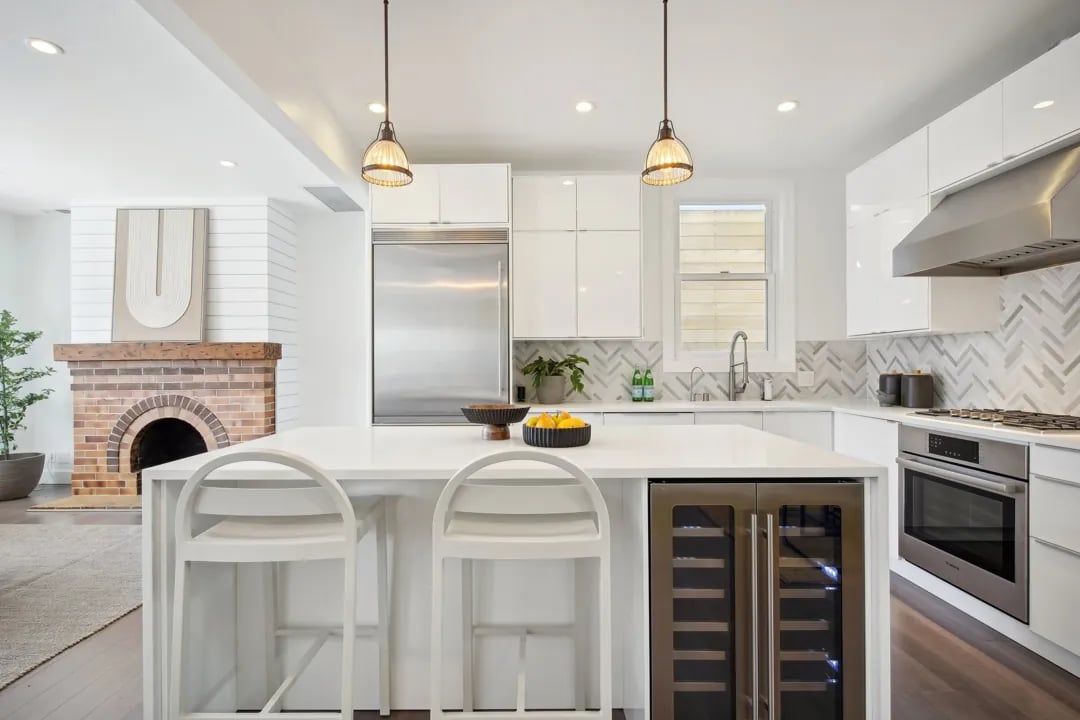
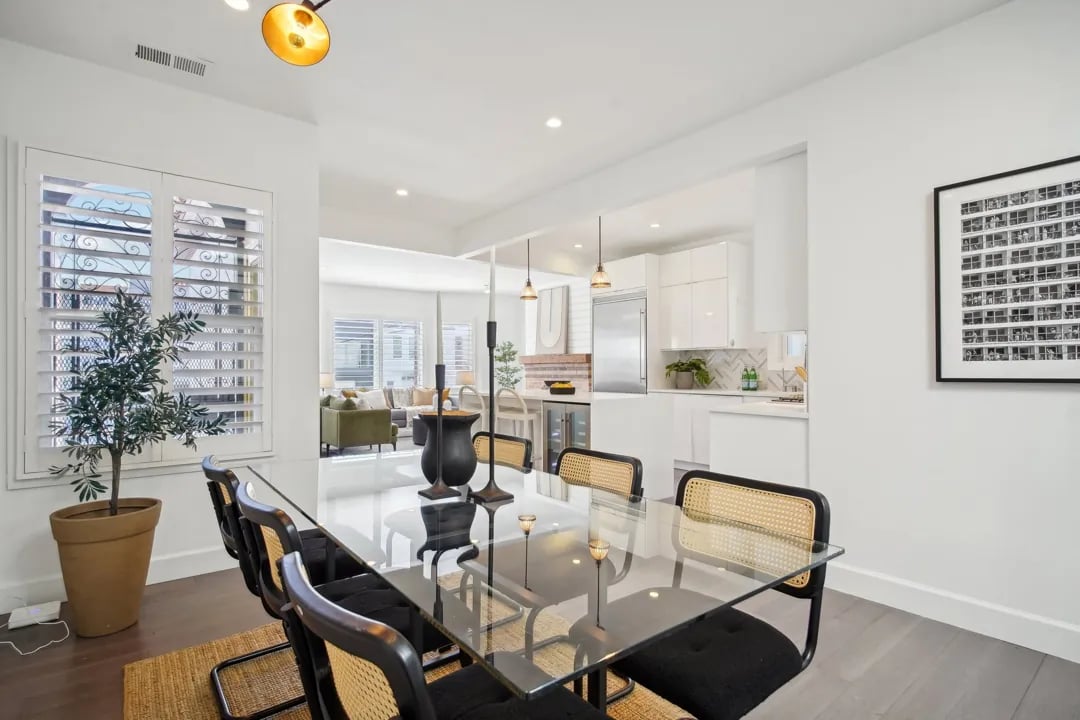
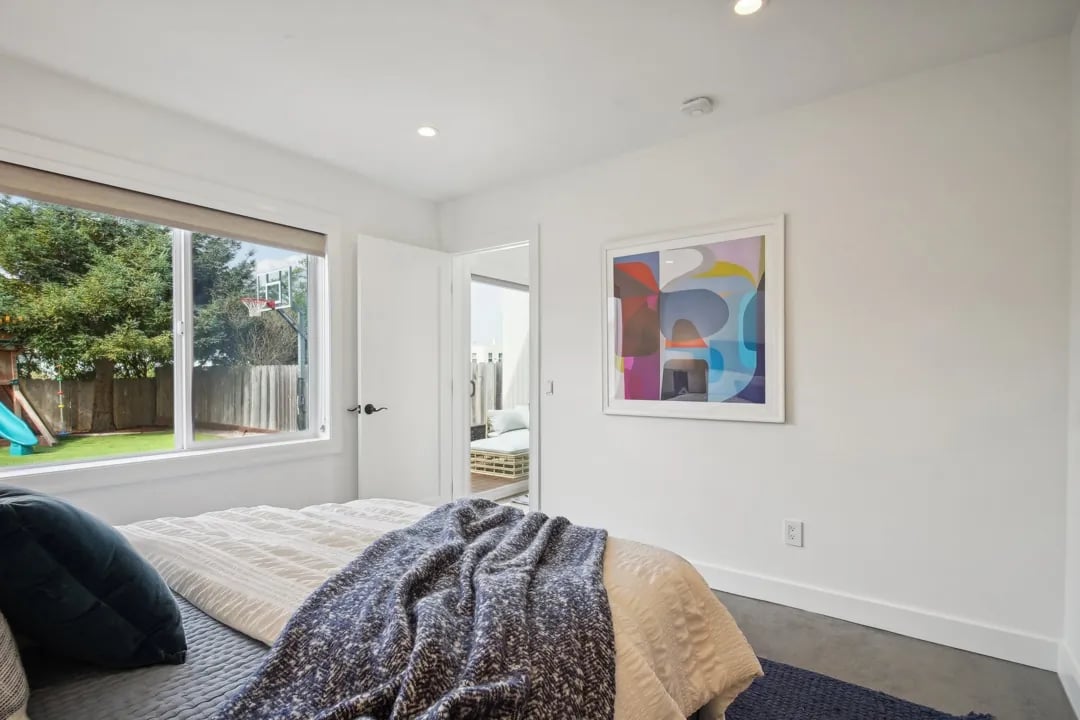
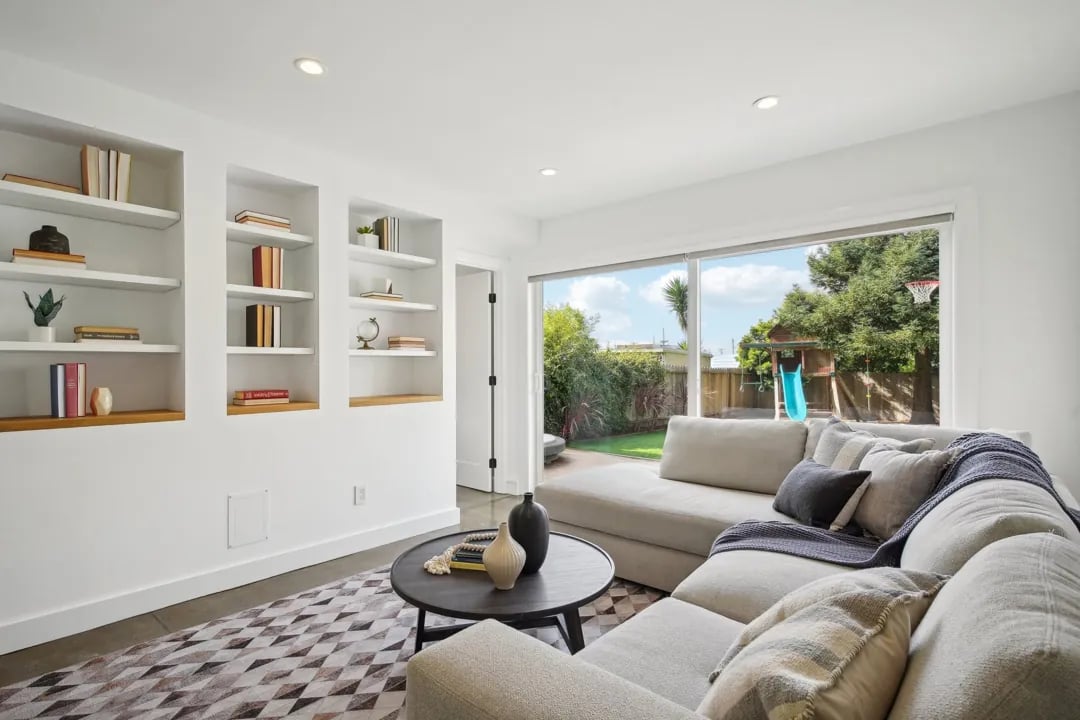
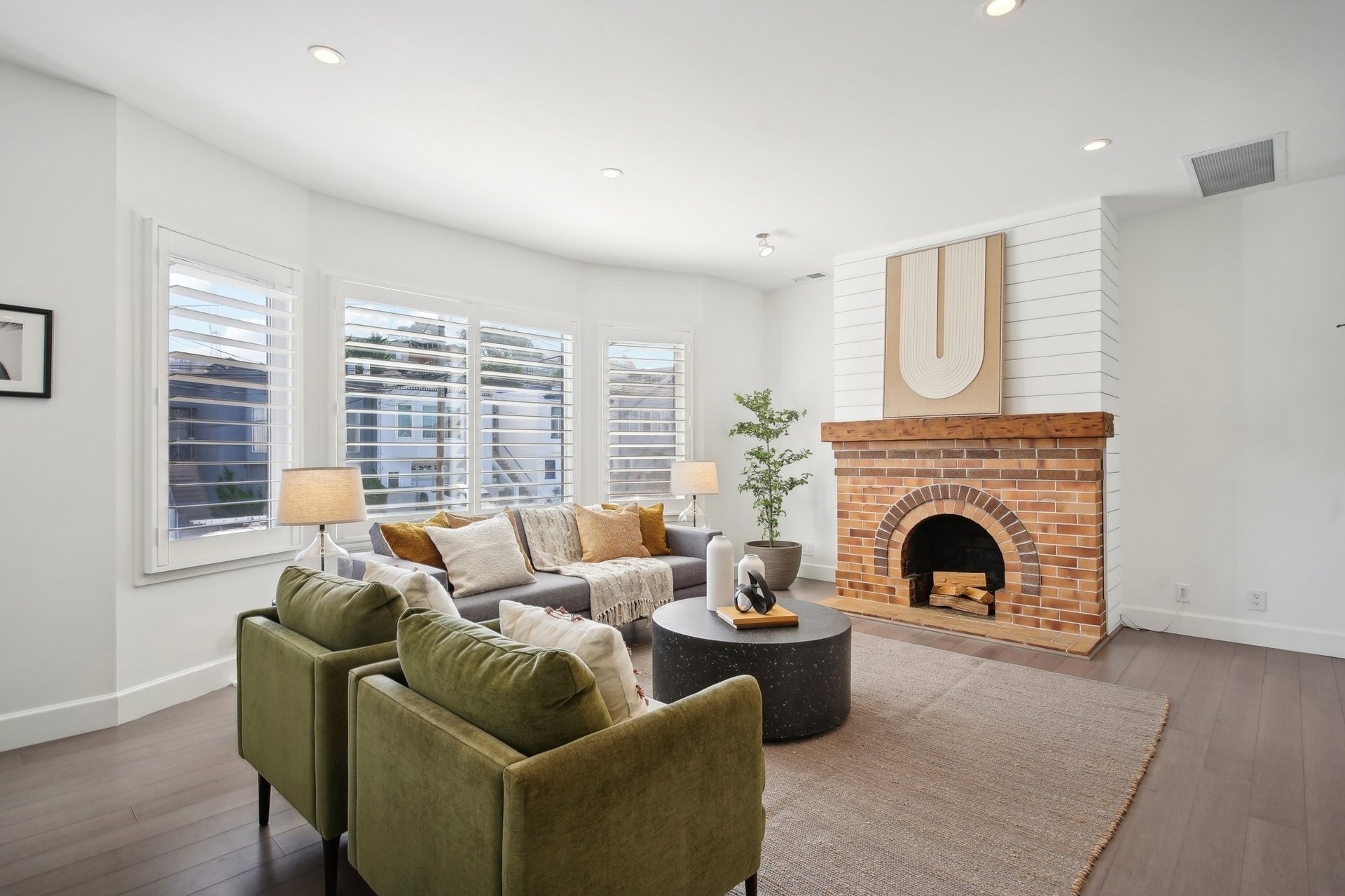
When our clients approached us to sell 1555 21st Avenue — a home we had helped them purchase ten years prior — the mandate was unambiguous. They were embarking on a new chapter in Southern California, and maximizing proceeds to fund that transition was paramount. The asset possessed genuine intrinsic value: three bedrooms, three bathrooms, 1,732 square feet, and a remarkably thoughtful renovation that respected the home's original character while elevating it for modern living.
The question was not whether 1555 21st Avenue would sell quickly. In a market with 0.4 months of inventory, homes trade. The question was whether we could deploy an architecture sophisticated enough to extract a premium distinct from the neighborhood's already-inflated baseline.
In a market engineered to reward sellers, average execution yields average premiums. To command top dollar, positioning the asset correctly from day one wasn't just a recommendation — it was the entire strategy.