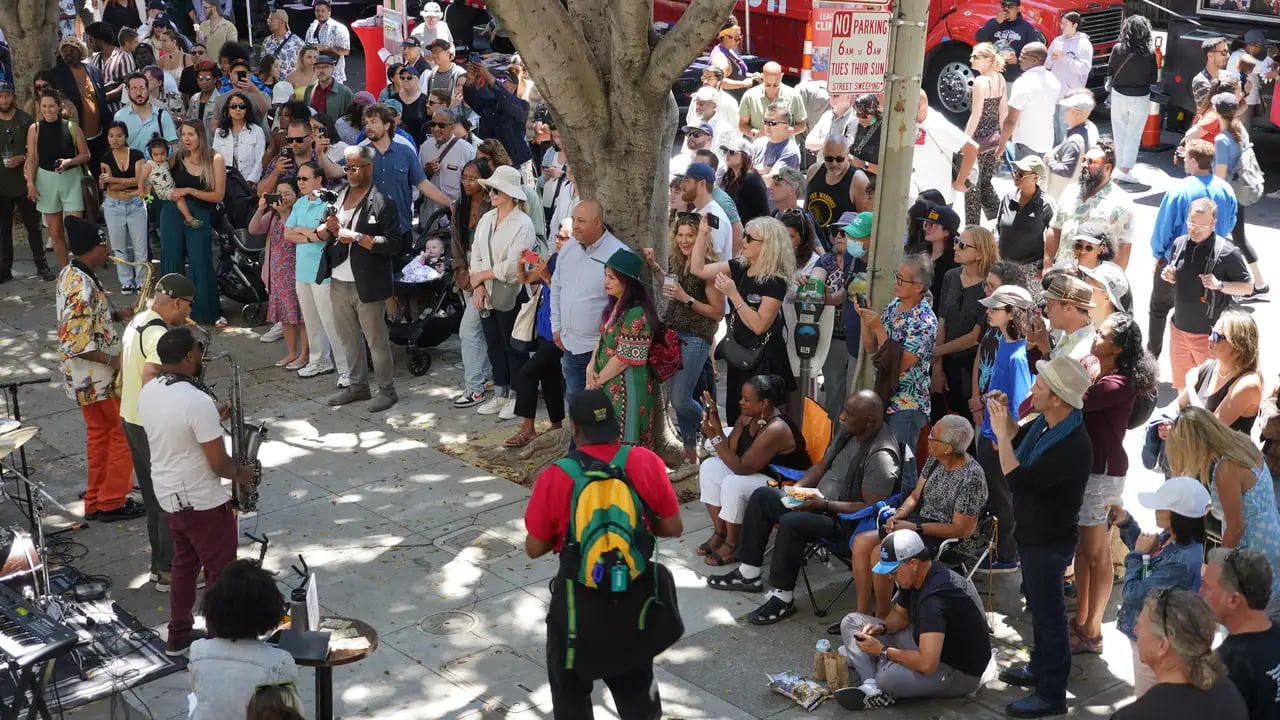
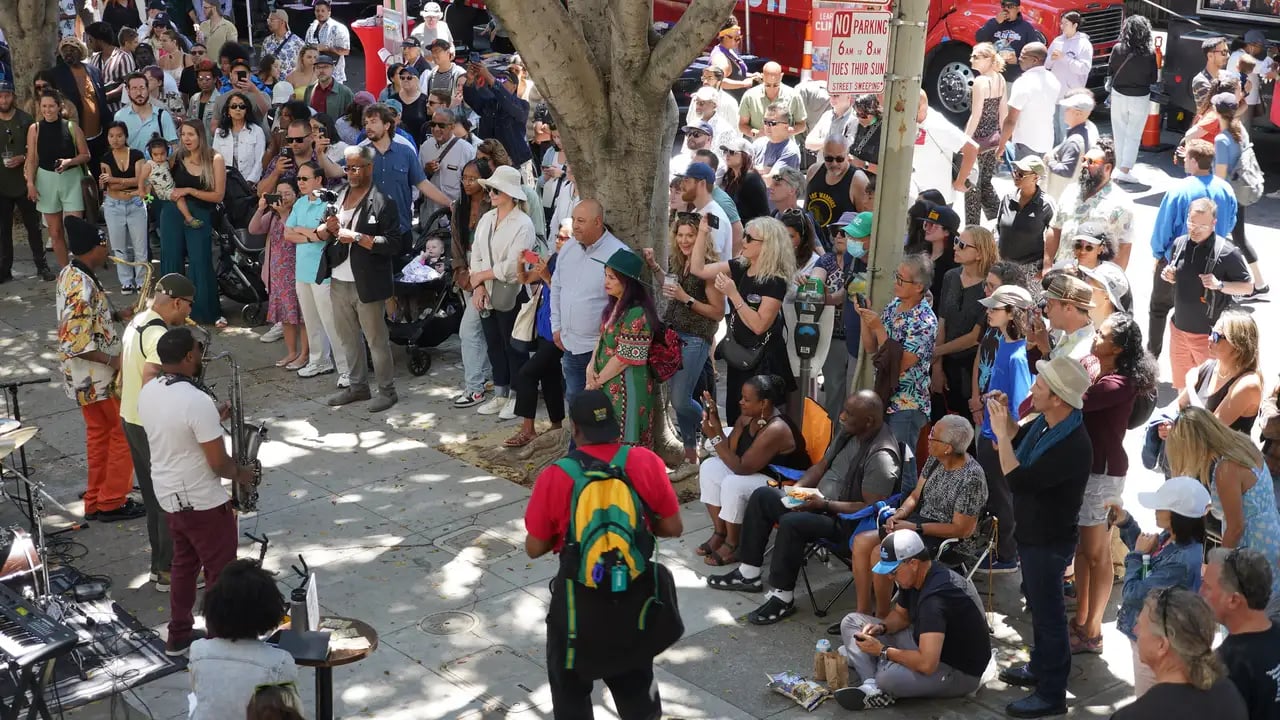
TL;DR summary: The Fillmore Jazz Festival is a free, two-day San Francisco street festival held along Fillmore Street in the city’s historic Fillmore District. In 2026, the festival is scheduled for Saturday, July 4 and Sunday, July 5, bringing live jazz, food vendors, artisan booths, and neighborhood energy to the corridor between Jackson and Eddy Streets.
For anyone interested in San Francisco music, street festivals, or the city’s cultural history, it is one of the most meaningful summer events on the local calendar.
What Is the Fillmore Jazz Festival?
The Fillmore Jazz Festival is one of San Francisco’s signature summer traditions: a free outdoor celebration of jazz, community, food, and art in the neighborhood long associated with the city’s jazz legacy. The event fills Fillmore Street with live performances, vendors, and the kind of open-street atmosphere that makes San Francisco’s neighborhood festivals feel distinct from larger, ticketed music events.
Unlike a concert where the experience is anchored to one stage, the Fillmore Jazz Festival is built for wandering. You can pause for a set, continue down the street, step into a food line, browse a vendor booth, hear another band from half a block away, and slowly let the day unfold. That movement is part of the appeal. The festival is not only about who is on stage; it is about how the music moves through the neighborhood.
For the most current dates, schedule, and lineup, check the official Fillmore Jazz Festival website.
2026 Dates, Location, and Admission
The 2026 Fillmore Jazz Festival is scheduled for Saturday, July 4 and Sunday, July 5. The festival is free and open to the public, with no ticket required for general attendance.
The event takes place in San Francisco’s Fillmore District along Fillmore Street from Jackson Street to Eddy Street. The official festival location page lists multiple performance areas and venues, including outdoor stages and nearby indoor spaces, so it is worth checking the schedule before you go if there is a particular artist you want to see.
The festival generally runs during the day, making it easy to build a full afternoon around music, food, and exploring the surrounding blocks. Because it falls over the Fourth of July weekend, expect larger crowds, street closures, transit changes, and a festive but busy neighborhood atmosphere.
Why the Fillmore District Is Central to San Francisco Jazz
The Fillmore District’s relationship with jazz is not decorative. It is foundational to the neighborhood’s identity.
During the mid-20th century, the Fillmore became known as the “Harlem of the West,” a reference to the concentration of jazz clubs, Black-owned businesses, nightlife, and cultural activity that shaped the area. Major artists moved through the district’s venues, and the neighborhood became one of the West Coast’s important centers for jazz and African American cultural life.
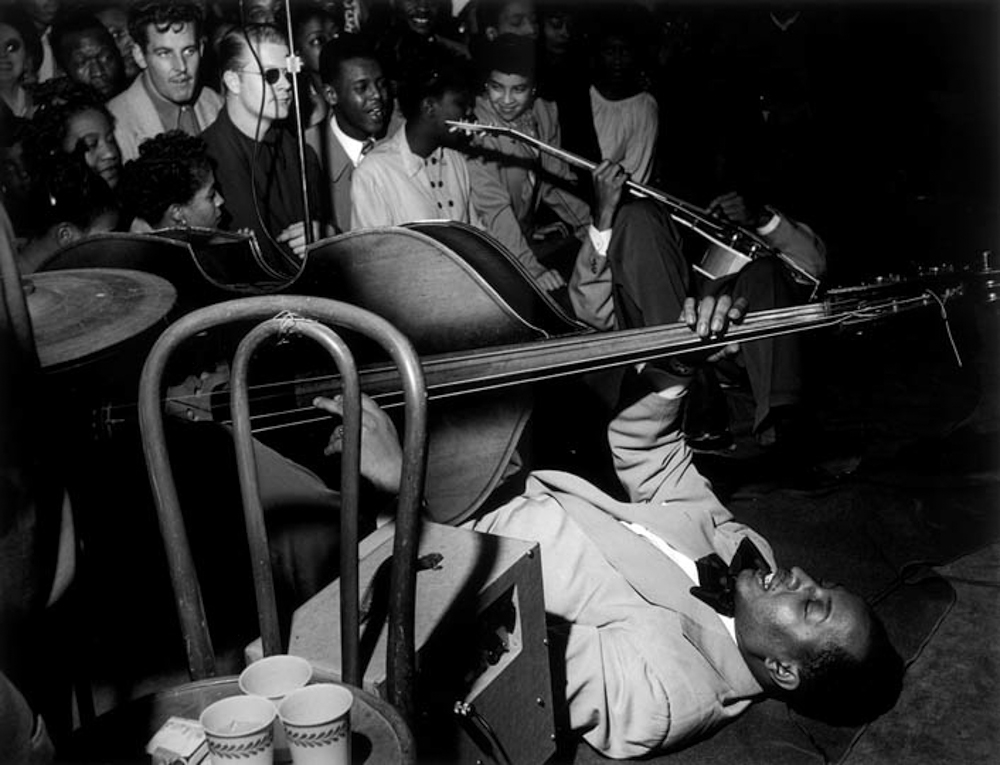
That history is also complicated. Urban renewal, displacement, and redevelopment changed the Fillmore dramatically, disrupting the communities and businesses that helped build its reputation. Any meaningful guide to the festival should hold both truths at once: the Fillmore Jazz Festival is joyful, but it also carries the weight of preservation. Its continued presence matters because it keeps public attention on a cultural legacy that San Francisco should not treat as background.
For deeper context on the neighborhood’s jazz history, read Kinoko’s guide to the Fillmore District’s Harlem of the West legacy.
Music, Stages, Food, and Street Festival Energy
The music is the center of the festival, but the programming usually stretches beyond a narrow definition of jazz. Expect a mix of classic jazz, vocal performances, swing, blues, gospel, Latin jazz, funk-influenced sets, and Bay Area musicians carrying the tradition forward in different directions.
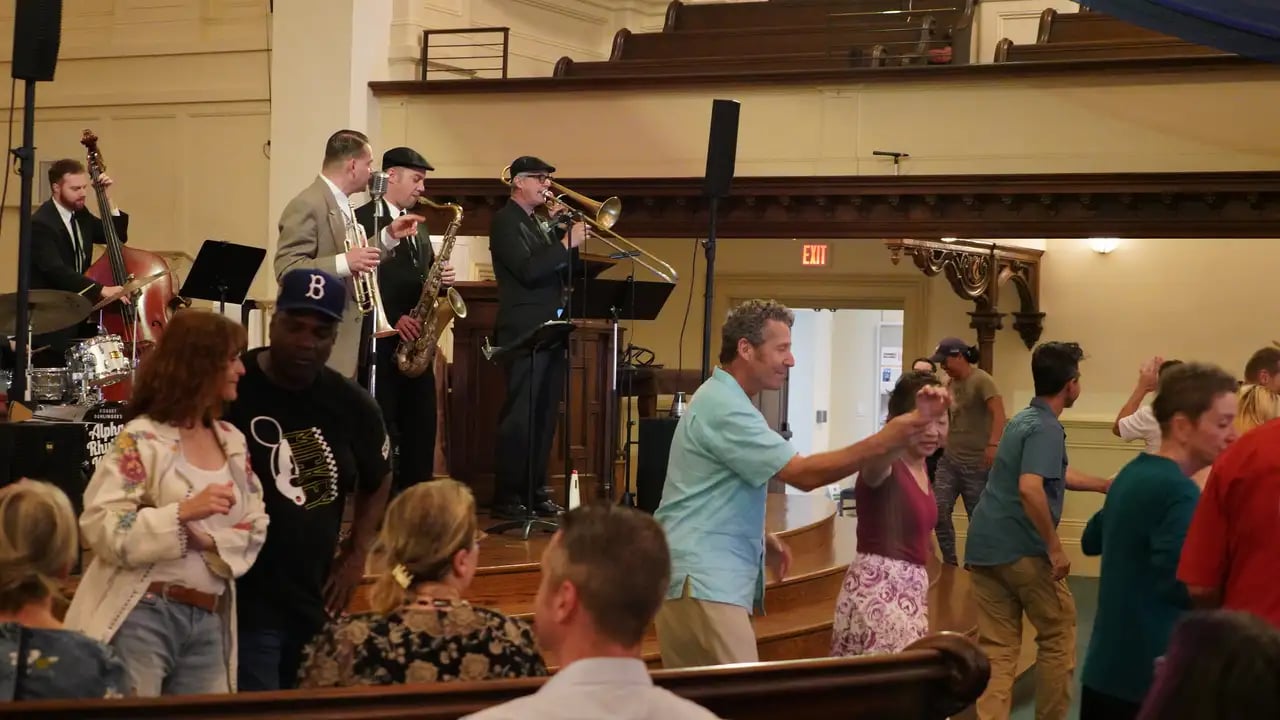
For 2026, the official lineup includes artists and groups across several stages and venues, with performances scheduled throughout both days. The festival’s stage names also nod to jazz history, connecting the event’s current programming to broader musical memory.
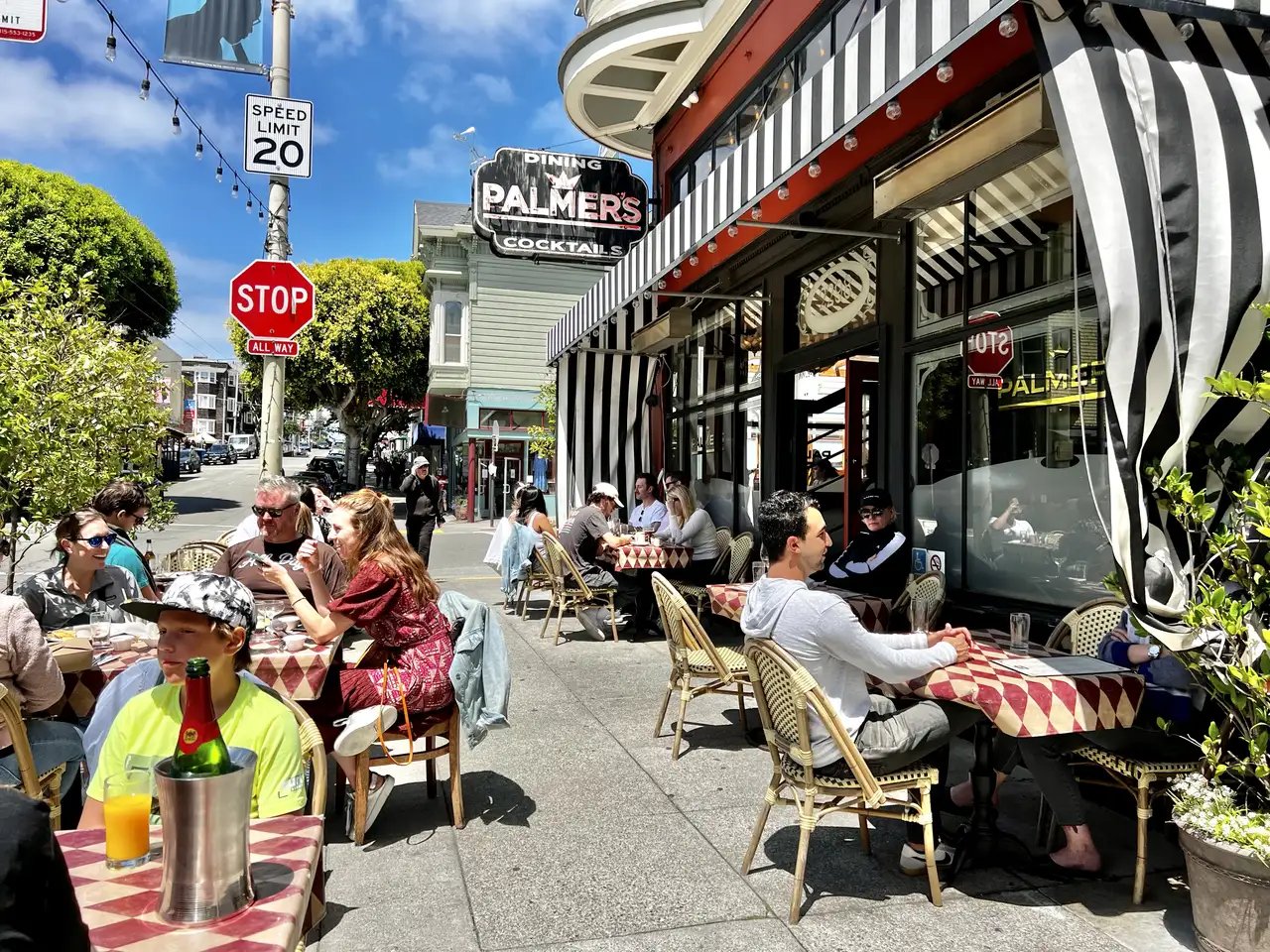
Beyond the stages, the festival has the texture of a classic San Francisco street fair. Food vendors, artisan booths, local makers, community groups, and nearby businesses all add to the atmosphere. It is a good event for people who want to listen closely, but it is also approachable for families, casual visitors, and anyone who simply wants to experience the Fillmore when the street is alive with sound.
If you are interested in the broader local jazz scene, Kinoko’s guide to San Francisco jazz culture and the SFJAZZ Festival is a useful companion read.
How to Plan Your Visit
Start by checking the official schedule and choosing two or three performances you would be disappointed to miss. Then leave room for discovery. The best version of the Fillmore Jazz Festival usually includes at least one set you did not plan for.
Public transportation is strongly recommended. The Fillmore corridor is served by nearby Muni routes, and street closures can make driving and parking difficult during the festival. The 22 Fillmore and 38 Geary are two of the most relevant routes for reaching the area, though event reroutes may apply. Before you leave, check current SFMTA service updates and review Kinoko’s San Francisco public transportation guide for a broader overview of getting around the city.
Comfort matters here. Wear shoes you can stand in for hours, bring layers, and prepare for San Francisco’s familiar weather shift: sun on one block, breeze on the next. A small bag, water, sunglasses, and a light jacket will serve you better than trying to dress for only one version of July.
If you are meeting friends, choose a specific cross street rather than saying “near the stage.” Once the crowd builds, the corridor can become busy enough that vague meeting points stop working.
What to Explore Nearby
One of the pleasures of the Fillmore Jazz Festival is that it sits near several distinct San Francisco neighborhoods and cultural corridors. Japantown is close by, making it easy to add a meal, bookstore stop, or tea break before or after the festival. Lower Pacific Heights and Pacific Heights sit to the north and west, with Fillmore Street continuing into a different rhythm of boutiques, cafes, and residential architecture.
If you are making a full day of it, consider pairing the festival with a broader neighborhood walk. Kinoko’s guides to San Francisco cultural districts, Japantown’s Cherry Blossom Festival and cultural traditions, and Pacific Heights people and lifestyle offer helpful context for the surrounding area.
For readers who enjoy San Francisco’s summer street festival calendar, the Fillmore Jazz Festival also pairs naturally with nearby and citywide events like the Union Street Festival, North Beach Festival, Stern Grove Festival, and Outside Lands.
FAQ: Fillmore Jazz Festival San Francisco
When is the Fillmore Jazz Festival in 2026?
The 2026 Fillmore Jazz Festival is scheduled for Saturday, July 4 and Sunday, July 5.
Where does the Fillmore Jazz Festival take place?
The festival takes place along Fillmore Street in San Francisco’s historic Fillmore District, from Jackson Street to Eddy Street.
Is the Fillmore Jazz Festival free?
Yes. The Fillmore Jazz Festival is free and open to the public. No general admission ticket is required.
What kind of music is performed?
The festival focuses on jazz while also including related styles such as blues, swing, Latin jazz, gospel, soul, funk-influenced music, and Bay Area ensemble performances.
Is the Fillmore Jazz Festival family-friendly?
Yes. The open-street format, daytime schedule, music, food, and vendor booths make it accessible for families, though crowds can get dense during peak afternoon hours.
What is the best way to get there?
Public transportation is usually the best option. Nearby Muni routes include the 22 Fillmore and 38 Geary, though visitors should check SFMTA updates for event reroutes and temporary stop changes.
Why is the Fillmore important to San Francisco jazz?
The Fillmore District was historically known as the “Harlem of the West” because of its concentration of jazz clubs, Black cultural life, and major performers during the mid-20th century. The festival helps keep that legacy visible in the neighborhood today.