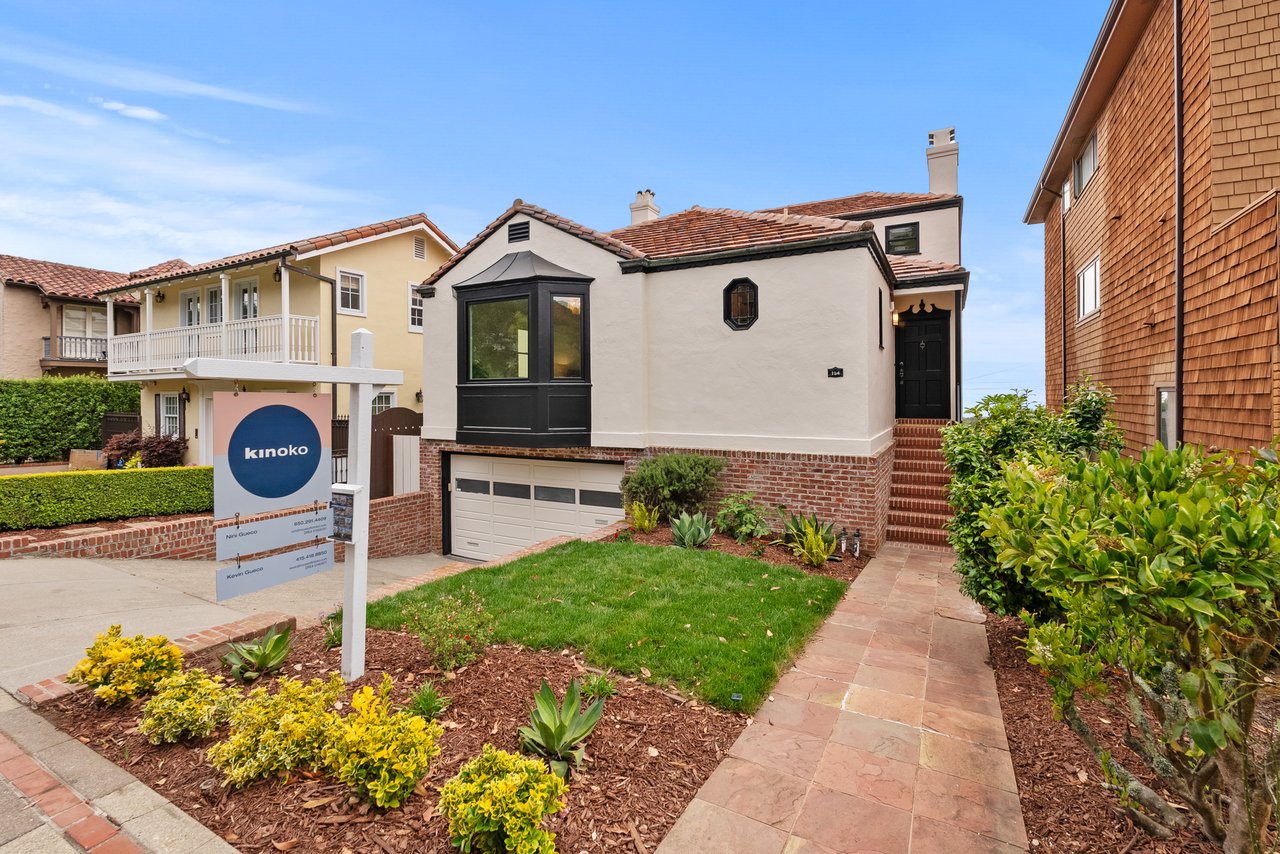
TL;DR summary: Divide preparation into four stages. At 90 days, set the strategy, evaluate the property, and gather records. At 60 days, complete repairs, order reports, and start disclosures. At 30 days, finish staging, pricing, and marketing. During listing week, protect the presentation and confirm showing logistics. Starting early leaves time for thoughtful decisions.
Selling a San Francisco home involves more than cleaning and putting up a sign. Pricing, permits, inspections, disclosures, marketing, and moving logistics all matter.
A 90-day runway helps us address those pieces in the right order and distinguish meaningful preparation from work that is unlikely to improve the sale.
A Mission Bay condominium, Noe Valley Victorian, and tenant-occupied Richmond District building require different preparation. Build the plan around the property, supported by our seller resources and San Francisco real estate work.
How Long Does It Take to Sell a San Francisco Home?
There is no single reliable number for every San Francisco sale. The total timeline has three distinct parts:
- Pre-listing preparation, which this plan organizes into approximately 90 days
- Time on the market before an offer is accepted
- The contract-to-close period after acceptance
A well-prepared home may attract an offer quickly, while another may need several weeks or a pricing adjustment. After acceptance, financing, appraisal, title work, contingencies, and the contract determine when the transaction can close.
Seasonality can influence activity, but condition, location, pricing, and competing inventory often matter more. Our discussion of the best time to sell explains why waiting for a particular month is not always best.
For planning purposes, expect the full process to take several months from the first strategy meeting through closing. Starting 90 days before launch provides breathing room without fixing the listing date too early.
Key Takeaways
- Begin with strategy, records, and condition assessment before choosing improvements.
- Investigate permit and use questions early, especially in older or altered properties.
- Complete disclosures carefully and disclose what is actually known.
- Prioritize work that improves presentation or buyer confidence.
- Finalize pricing after reviewing competition close to launch.
- Leave enough flexibility for weather, contractors, building access, and condominium documents.
What Should We Do 90 Days Before Listing?
Choose the Target Launch Window
Start with the seller's priorities. Is the goal a particular closing date, the strongest possible presentation, minimal disruption, or coordination with another move?
Review comparable sales, current competition, buyer expectations, and neighborhood timing. An early home valuation can establish a working range, but not the final list price three months in advance.
At this stage, also estimate selling expenses and likely net proceeds. Kinoko's home sale calculator can help organize the initial numbers before final costs are confirmed.
Walk Through the Home With a Critical Eye
Evaluate the property from the sidewalk through every room, storage area, and outdoor space.

A property is reviewed alongside architectural plans, illustrating the detailed evaluation of a home's layout, condition, and potential maintenance needs before listing. Photo by Wesley Pacífico on Unsplash
Look for:
- Peeling paint, damaged trim, and visible wall cracks
- Loose handles, sticking doors, and windows that do not operate properly
- Leaks, staining, damaged caulk, or signs of moisture
- Worn flooring, dated lighting, and a neglected entrance
- Bulky furniture that obscures scale or circulation
- Deferred maintenance that may create questions during inspections
The goal is not to make an older San Francisco home look newly built. Period details and unusual floor plans can be part of its character. The goal is a property that feels cared for and honestly represented.
Use the home maintenance checklist to separate necessary work from optional improvements. Before renovating, review which upgrades may offer a stronger return.
Gather the Property Record
Create one folder for documents related to the home, including:
- Purchase and title records
- Permits and plans
- Contractor invoices and warranties
- Inspection and repair reports
- Roof, sewer, foundation, or pest documentation
- Appliance and system information
- Insurance claims related to the property
- Condominium or homeowners association documents
- Lease, tenant, or move-out records where applicable
- Notices, citations, or correspondence from city departments
Do not discard a report because it identifies a problem. Prior reports and known material facts may need disclosure. Ask your agent or attorney which documents apply.
What Should We Complete 60 Days Before Listing?
Approve a Focused Preparation Scope
By this point, decide what will be repaired, refreshed, cleaned, staged, or left in its current condition.
A practical scope might include:
- Interior touch-up painting
- Fixture and hardware updates
- Minor carpentry or drywall repair
- Window and exterior cleaning
- Landscape cleanup
- Professional deep cleaning
- Furniture editing and storage
- Pre-sale inspections selected with your agent
Small changes can have an outsized visual effect, so consider how paint color decisions will affect the home's light, architectural details, and overall presentation. Keep invoices, permits, warranties, and final reports from completed work.
Order the San Francisco 3R Report
A Report of Residential Building Record, commonly called a 3R Report, is part of the San Francisco sale process for residential buildings covered by Housing Code Section 351.
The report compiles information available in city records, such as authorized occupancy or use, construction date, zoning, and certain permit history. It is not a physical inspection and does not certify that the property complies with every current law.

Property models and financial documents illustrate the records and information that may be reviewed when evaluating a residential property. Photo by Artful Homes on Unsplash
Order it early enough to review the result and address questions before buyers see the disclosure package. Rather than duplicating the details here, use Kinoko's complete explanation of the San Francisco 3R Report.
If the report conflicts with the property's current configuration, do not guess at the explanation or quietly try to work around it. Review the issue with the appropriate real estate, legal, building, or planning professional.
Start the Seller Disclosures
Preparing disclosures early gives sellers time to locate records and answer carefully. When provided before offers, the package also gives buyers time to review it.
TDS, or Transfer Disclosure Statement: This California disclosure describes the property's condition and asks about features, systems, defects, repairs, alterations, and other matters within the seller's knowledge. It is not a warranty or a substitute for buyer inspections.
SPQ, or Seller Property Questionnaire: This form adds detailed questions about the seller's knowledge and property history. The C.A.R. standard-forms index identifies the SPQ. It supplements rather than replaces the TDS, and its delivery may be required by the purchase agreement even though the form is not mandated by statute.
NHD, or Natural Hazard Disclosure Statement: This document reports whether the property falls within mapped hazard areas addressed by California law, including specified flood, fire, earthquake fault, landslide, and liquefaction zones. A third-party provider often prepares the supporting report.
Complete these forms truthfully and from actual knowledge. Do not speculate, minimize a known concern, or treat an "as is" sale as permission to omit required disclosures. Direct legal questions to a qualified California real estate attorney.
What Should Be Ready 30 Days Before Listing?
Declutter, Edit, and Clean
The most useful ideas from a traditional spring-cleaning checklist still apply, regardless of the season:
- Remove excess furniture and crowded décor.
- Clear kitchen and bathroom counters.
- Edit closets without making them unnaturally empty.
- Pack personal collections and family items.
- Clean windows, light fixtures, appliances, and grout.
- Remove odors at their source instead of covering them with fragrance.
- Organize garages and outdoor areas.
In compact San Francisco homes, buyers should be able to see how rooms connect and where furniture can fit.
Confirm Staging and Visual Presentation
Staging should clarify scale, function, and flow, especially in spaces buyers may struggle to interpret, such as a dining alcove, garden-level room, or narrow front parlor.

A thoughtfully staged living space uses furniture, lighting, artwork, and décor to clarify the room's scale, function, and flow before a home is presented to buyers.
If physical staging is limited, virtual staging may be useful for selected vacant rooms, provided images are presented transparently and do not misrepresent the property.
Before photography:
- Replace burned-out bulbs and match light temperatures.
- Hide cords, bins, cleaning supplies, and pet equipment.
- Remove vehicles from garages and driveways when possible.
- Check reflections in mirrors, windows, and glossy surfaces.
- Prepare patios, decks, and gardens as complete living areas.
Build the Marketing and Showing Plan
Confirm the photography, video, floor plan, property description, showing schedule, broker outreach, digital promotion, and broader listing strategy.
Clarify exclusions before marketing begins, especially for light fixtures, televisions, shelving, appliances, planters, or other items buyers may assume are included.
What Should We Check During Listing Week?
The final week is for refinement, not major construction.
Complete this checklist:
- Finish cleaning and remove contractor materials.
- Confirm staging placement.
- Secure medication, documents, valuables, and sensitive information.
- Arrange care for pets during photography and showings.
- Verify keys, gates, call boxes, and building access.
- Test lights and replace failed bulbs.
- Confirm showing instructions with building staff or the HOA.
- Review the disclosure package for missing signatures or attachments.
- Recheck competing listings and final pricing.
Pricing should reflect current conditions at launch, not an estimate made 90 days earlier. Understanding how buyers interpret home prices can help shape the final list-price and offer strategy.
Keep the property in showing condition after photography. Clean surfaces, working lights, comfortable access, and accurate information matter.

Professional real estate photography captures a home's interior for listing materials, helping present its layout, condition, and features clearly to prospective buyers. Photo by Wesley Tingey on Unsplash
A Calmer Sale Starts Before the Listing Date
A successful launch is usually the result of dozens of small decisions made in the right order. With 90 days, we can investigate the property record, prepare disclosures, coordinate work, build the marketing plan, and leave room for the unexpected.
For a preparation strategy tailored to your home, timeline, and priorities, get in touch. We can help determine what deserves attention, what can remain as is, and how to bring the property to market with clarity.
Frequently Asked Questions
Should We Renovate Before Selling a San Francisco Home?
Not automatically. Addressing visible damage, deferred maintenance, paint, and presentation may be more valuable than a major renovation. The right scope depends on cost, timing, likely buyers, and competing properties.
When Should Sellers Order the San Francisco 3R Report?
Order it early in the pre-listing process so there is time to review the city record and investigate discrepancies. Processing conditions and fees can change, so confirm current requirements with the San Francisco Department of Building Inspection before ordering.
What Is the Difference Between the TDS and SPQ?
The TDS is a California statutory disclosure form covering the property's condition and specified matters. The SPQ is a more detailed seller questionnaire that supplements rather than replaces the TDS. Its delivery may be required under the purchase agreement used in the transaction.
Do Sellers Need Inspections Before Listing?
Pre-sale inspections are not right for every property, but they can support disclosures and reduce surprises. The appropriate plan differs for condominiums, single-family homes, older structures, and properties with known concerns.
Sources
- San Francisco Housing Code Section 351. Accessed September 7, 2026.
- San Francisco Housing Code. Accessed September 7, 2026.
- California Department of Real Estate 2026 Real Estate Law excerpts. Accessed September 7, 2026.
- C.A.R. standard-forms index. Accessed September 7, 2026.