The market had already seen it. Already decided. Our job was to make it decide again.
When our client came to us in May 2025, Madrone 527 carried the heaviest liability a listing can have: a history. The unit had already been offered to the market under prior representation and had attracted zero written offers. In a district where buyer selectivity was rising alongside inventory — 221 new listings entered the San Francisco condo market in August 2025 alone — a prior failed listing does not simply reset. It requires deliberate and visible reinvention to overcome the market's institutional memory.
The structural challenge was compounded by timing. A tenant remained in residence through July, which meant the listing window could not open until August — the final stretch of peak-season buyer demand. The margin for error was narrow. A second unsuccessful attempt would not just delay the sale; it would permanently reprice the asset downward in the eyes of buyers who track market history with algorithmic precision.
Automated valuations had already anchored public perception: Zillow at $1.27M, Realtor.com at $1.28M, Redfin at $1.18M. The data told buyers what this property was worth without a Kinoko process behind it. Our job was to prove those numbers wrong — structurally, not rhetorically.
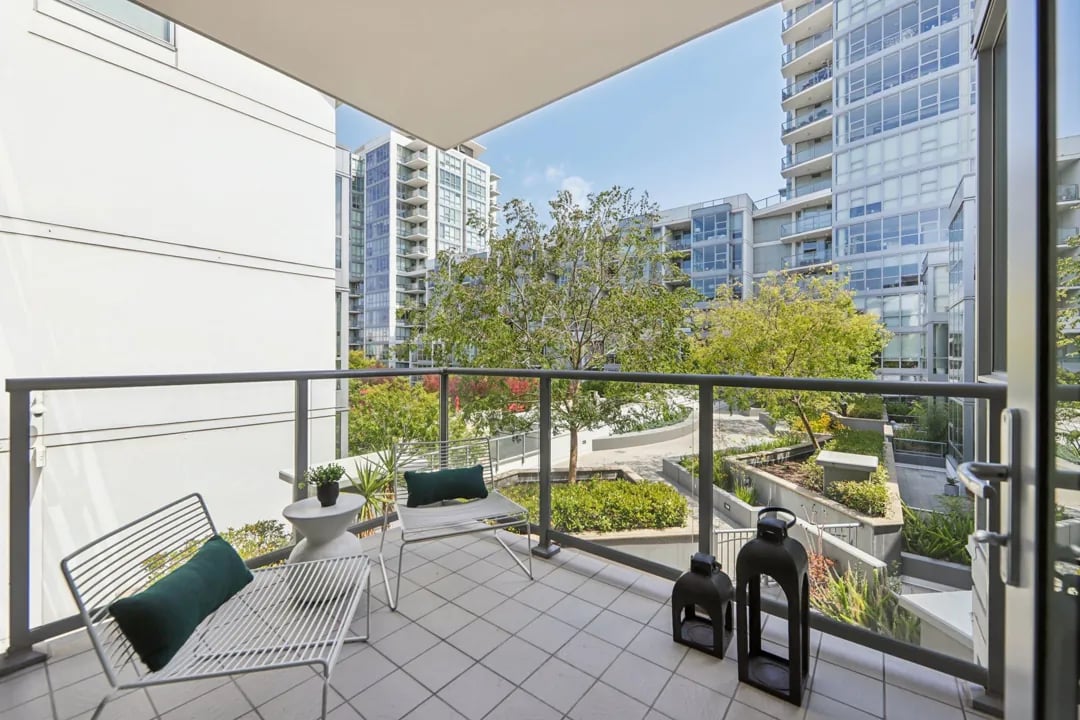
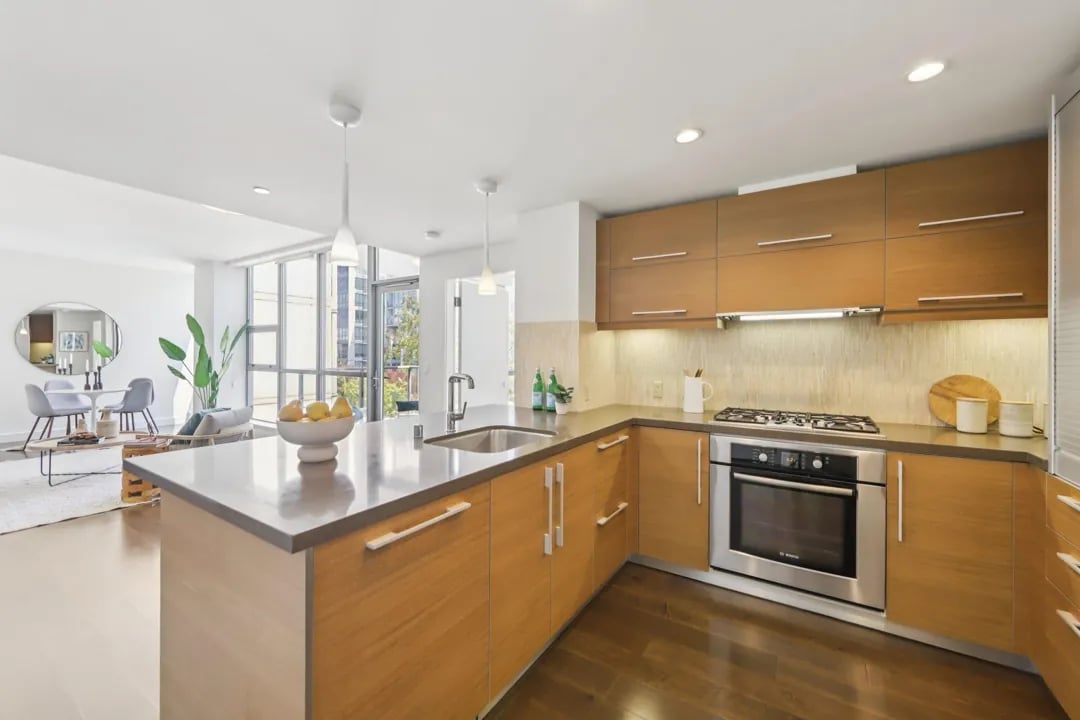
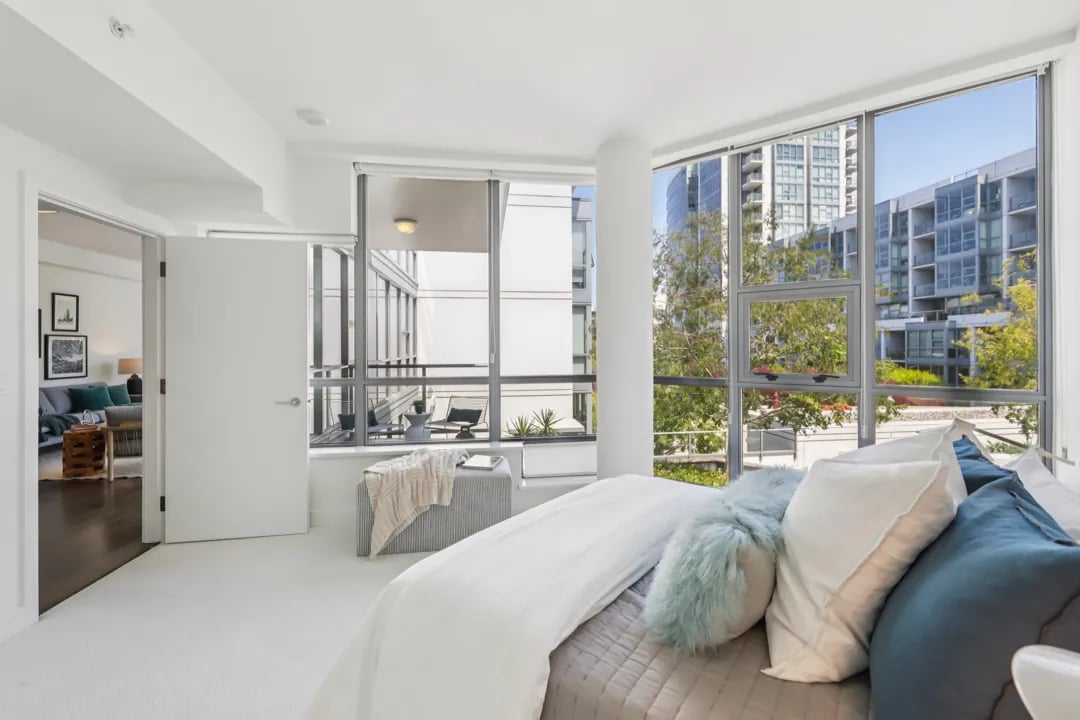
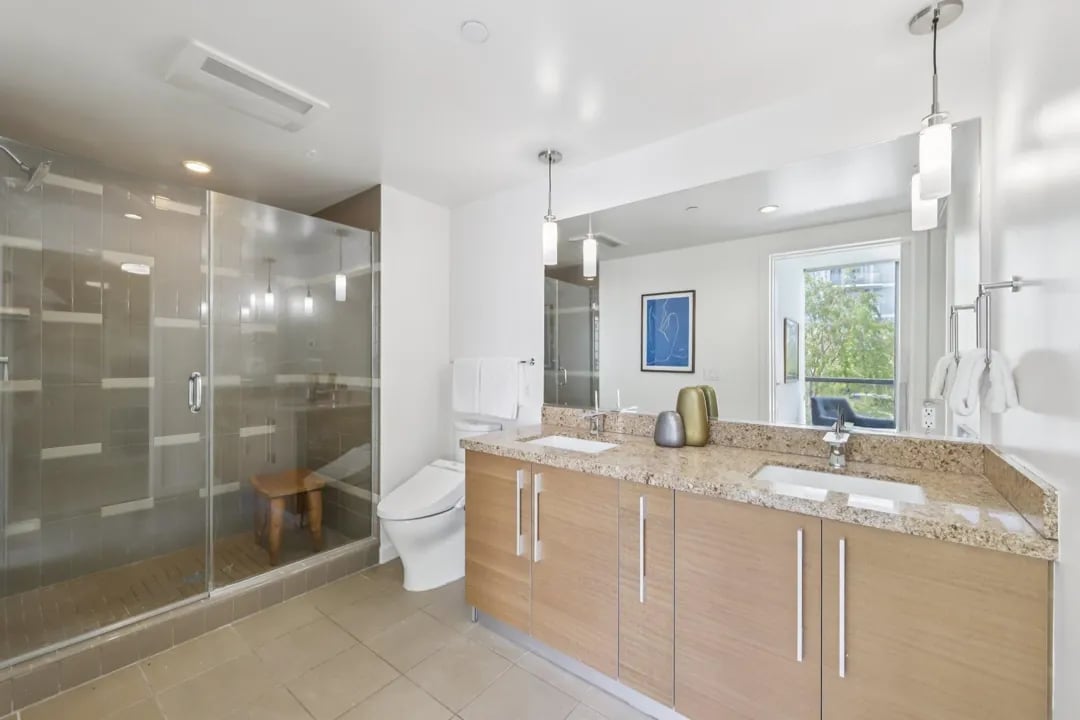
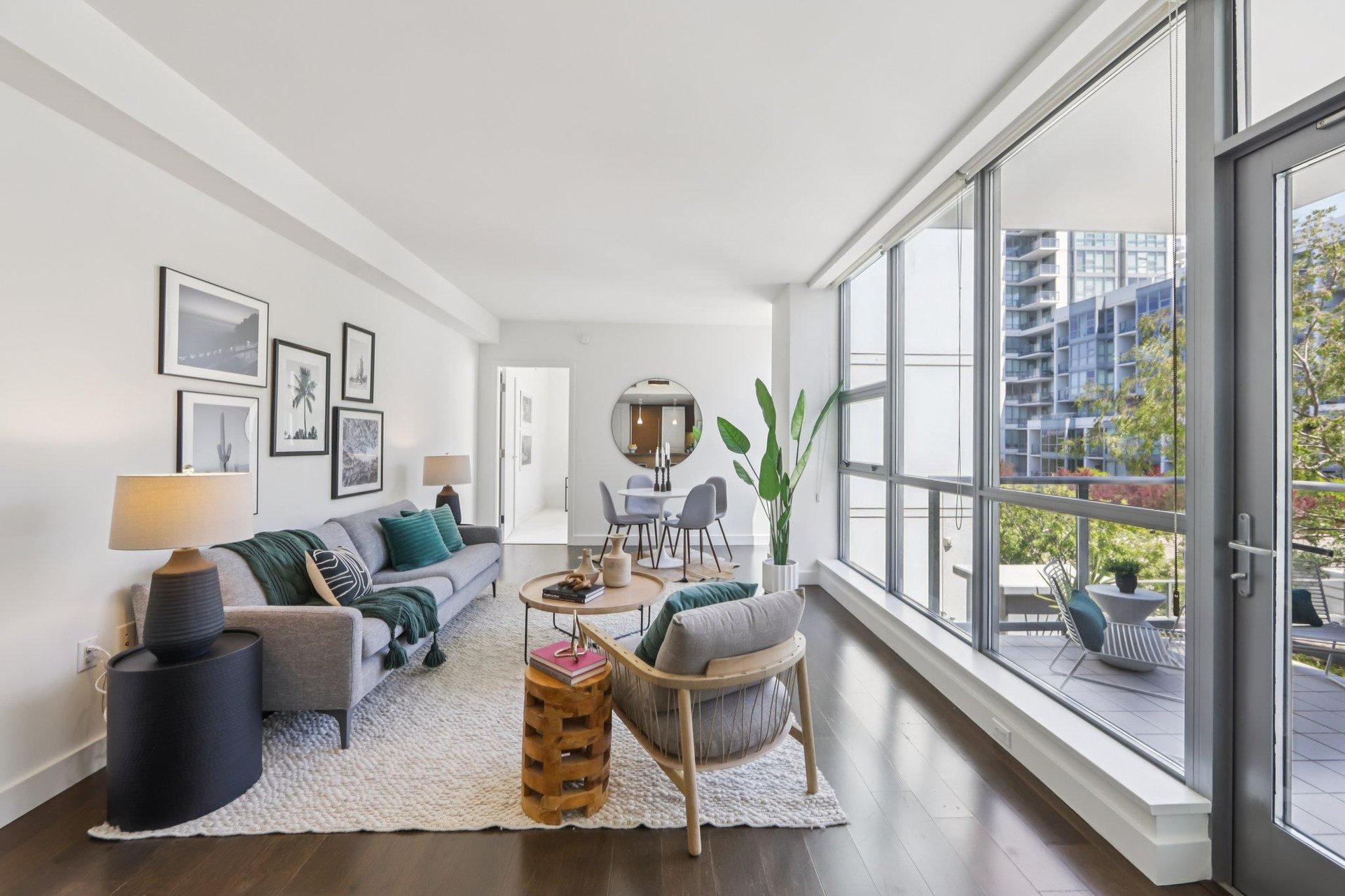
The property had genuine intrinsic appeal: a bright, open 1,168-square-foot layout, resort-caliber building amenities, and a position minutes from the Embarcadero and the financial district. The question was never whether the asset was worthy of a strong outcome. The question was whether the execution would be sophisticated enough to extract it from a market that had already formed an opinion.