TL;DR summary: Redwood City pairs one of the Peninsula's livelier downtowns with established residential streets, hillside neighborhoods, Caltrain access, a diverse everyday dining culture, and Bayfront open space. Life feels noticeably different depending on whether you choose downtown, the west side, the hills, or Redwood Shores, so the right fit comes down to the daily routine you want.
Redwood City is difficult to sum up with a single mood. Its compact downtown can feel busy and social, while nearby residential blocks settle quickly into quieter streets. Farther west, the terrain rises toward wooded hills. Across Highway 101, Redwood Shores introduces lagoons, Bay trails, and a planned suburban setting that feels almost like a separate town.
That range is the city's defining quality. Someone living near Courthouse Square may walk to dinner and catch Caltrain in the morning; someone in Farm Hill may organize the week around a car, neighborhood parks, and quick access to Interstate 280. A resident of Redwood Shores has yet another routine shaped by waterfront paths, Highway 101, and the distance from downtown. The broader Redwood City neighborhood overview is a useful companion when comparing these settings.
The Everyday Rhythm of Redwood City
Downtown gives Redwood City a genuine center of gravity. Broadway, Courthouse Square, the Downtown Library, the Fox Theatre, restaurants, and the train station sit within a relatively compact area. The city's year-round events calendar brings concerts, films, festivals, and public gatherings into that shared civic space.
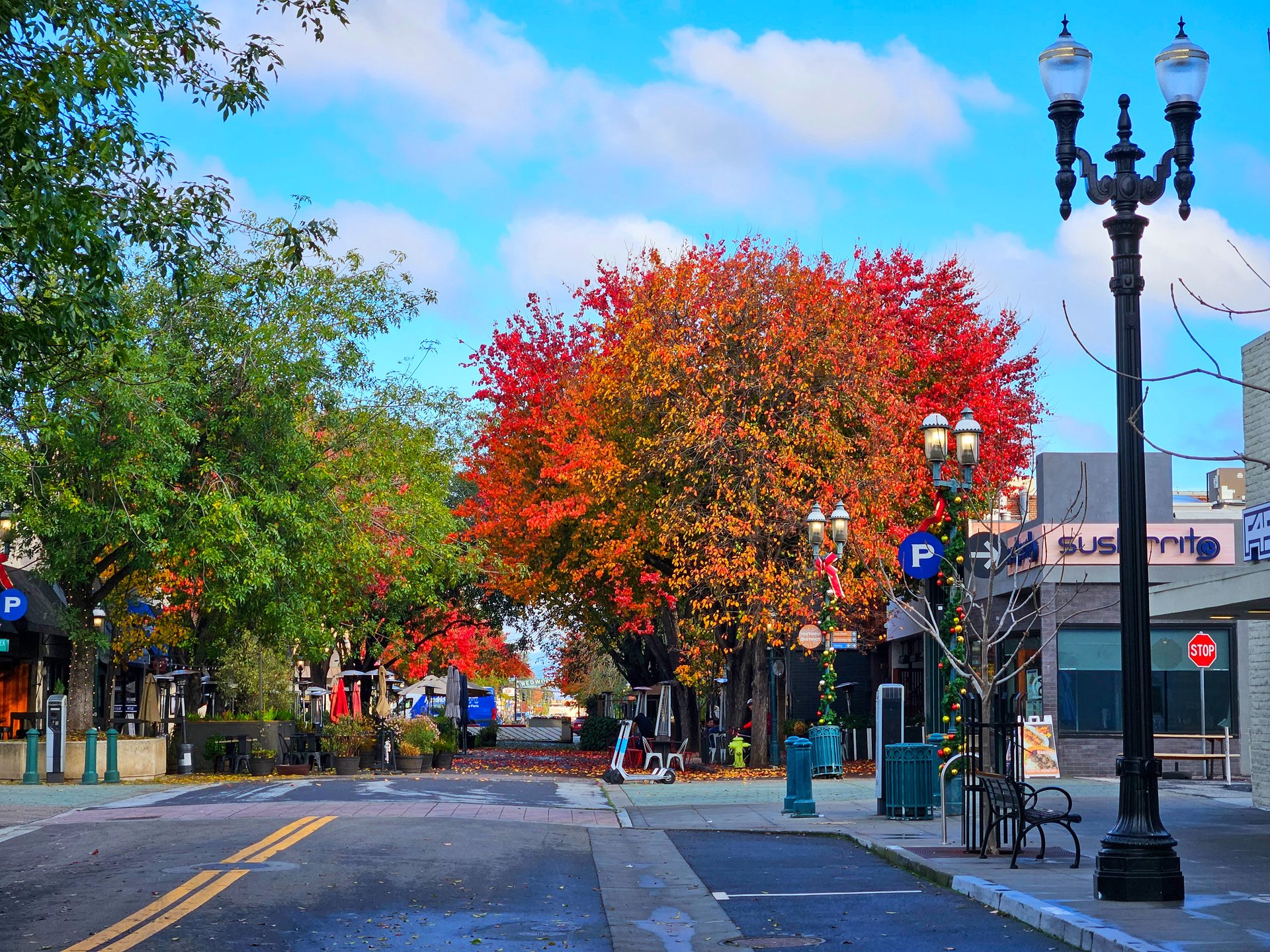
An active Redwood City streetscape combines local shops and restaurants with tree-lined sidewalks, pedestrian spaces, distinctive street lamps, and a relaxed downtown atmosphere. Photo by Vlad Karpinsky on Flickr, CC BY-NC-ND 2.0
The atmosphere changes only a few blocks away. Established neighborhoods spread west and south of downtown, commercial corridors handle everyday errands, and community centers serve as practical gathering places. Redwood City feels more layered than a tidy commuter suburb: civic life, technology employers, long-standing local businesses, newer apartments, and traditional residential streets all occupy the same city.
Redwood City Neighborhoods Feel Genuinely Different
Downtown is the clearest choice for people who prioritize Caltrain, restaurants, entertainment, and the ability to complete more errands on foot. Housing here leans toward apartments and condominiums, and residents should expect more activity, train noise, and street traffic than in the city's residential districts.
Mount Carmel, Eagle Hill, and Centennial sit close to downtown but feel more residential. Their older homes, mature streets, and varied architecture create a different experience from newer Peninsula developments. Proximity can be excellent, but walkability and noise still vary block by block.
Roosevelt, Woodside Plaza, Palm Park, and Redwood Oaks offer a more conventional neighborhood routine, with a mixture of detached homes, local shopping areas, schools, and parks. Red Morton Park and its surrounding community facilities make this part of the city especially active for recreation and organized programs.
Farm Hill, Canyon, and Edgewood Park climb toward the western side of the city. Curving roads, elevation changes, and proximity to open space create a quieter, less urban setting, although most daily trips are easier by car. Buyers comparing these areas with nearby Woodside should pay close attention to jurisdictional boundaries and the character of each individual street.
Friendly Acres and Stambaugh-Heller lie east and southeast of downtown, near Middlefield Road, Bay Road, and Highway 101. These neighborhoods place residents close to a culturally rich everyday food corridor and major employment routes, with a built environment that can shift quickly between residential, commercial, and light-industrial uses.
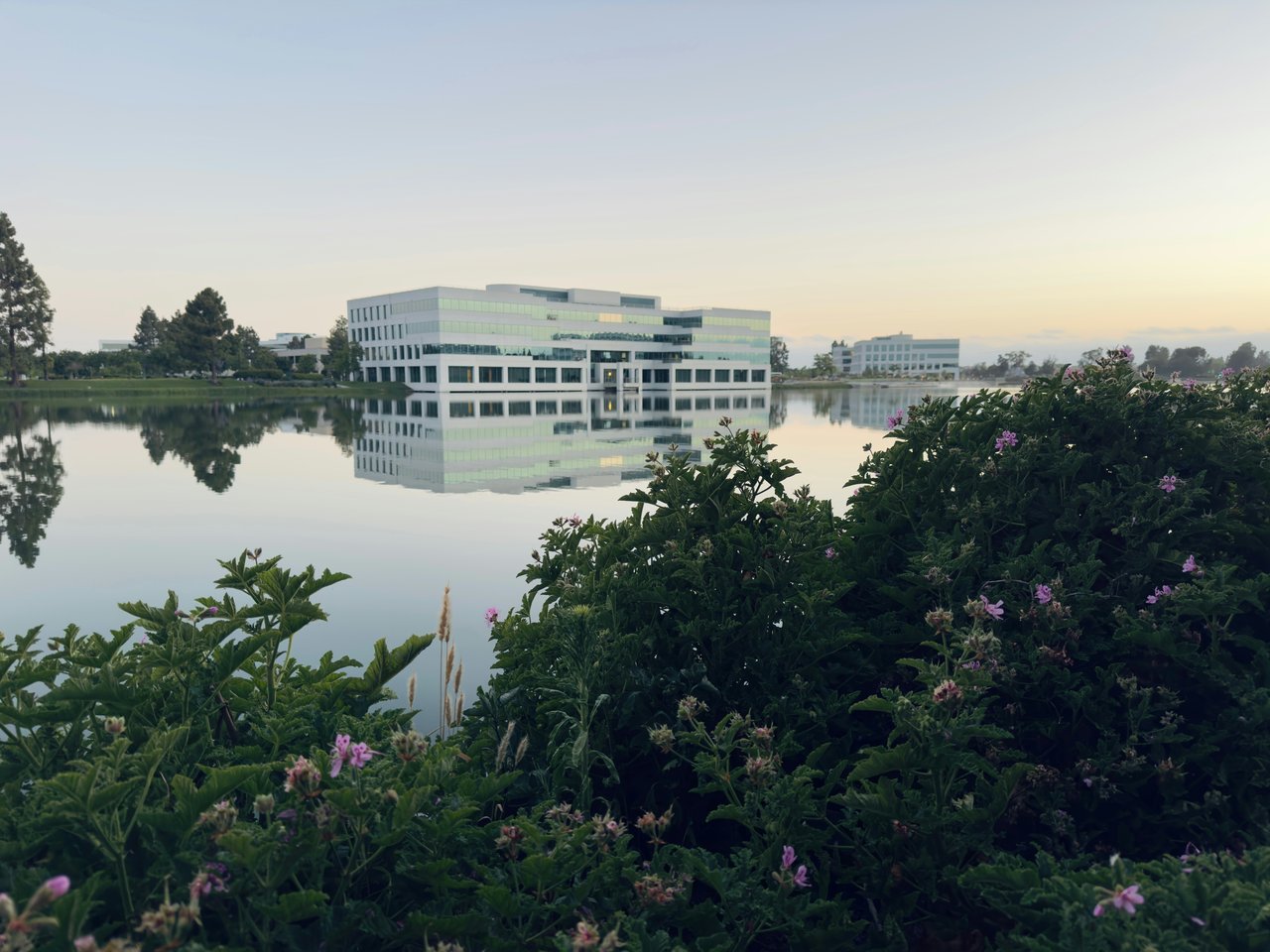
Redwood Shores sits across Highway 101 on a peninsula bordered by the Bay and surrounding sloughs. Lagoons, multiuse paths, office campuses, townhomes, condominiums, and planned residential developments give it a quieter, more landscaped feel. It belongs to Redwood City, but its physical separation means living there does not resemble living near downtown. The city's lagoon information is worth reviewing for recreation rules, water management, and local conditions.
A Redwood City mailing address does not always establish the city, school district, or service jurisdiction. Nearby unincorporated communities such as North Fair Oaks and Emerald Hills may use Redwood City addresses. Confirm parcel boundaries, schools, utilities, flood information, and local services for the specific address rather than relying on the postal city alone.
Community Life Beyond Downtown Events
Community life is visible in ordinary places: libraries, neighborhood parks, recreation classes, youth and senior programs, and locally organized meetings. Redwood City recognizes associations across neighborhoods including Downtown, Farm Hill, Mount Carmel, Roosevelt, Friendly Acres, and Redwood Shores. The city's neighborhood association directory offers a practical way to understand local issues before moving.
Red Morton functions as a major recreation hub, while the Downtown, Schaberg, and Redwood Shores libraries extend community programming into different parts of the city. This distributed network helps Redwood City feel less dependent on a single commercial center, even though downtown remains its most visible gathering place.
Commuting From Redwood City
Redwood City's central Peninsula position is one of its practical strengths. The downtown Caltrain station connects north toward San Francisco and south toward Silicon Valley. Service patterns change, so commuters should test the current schedule against their actual work hours instead of relying on a general estimate.
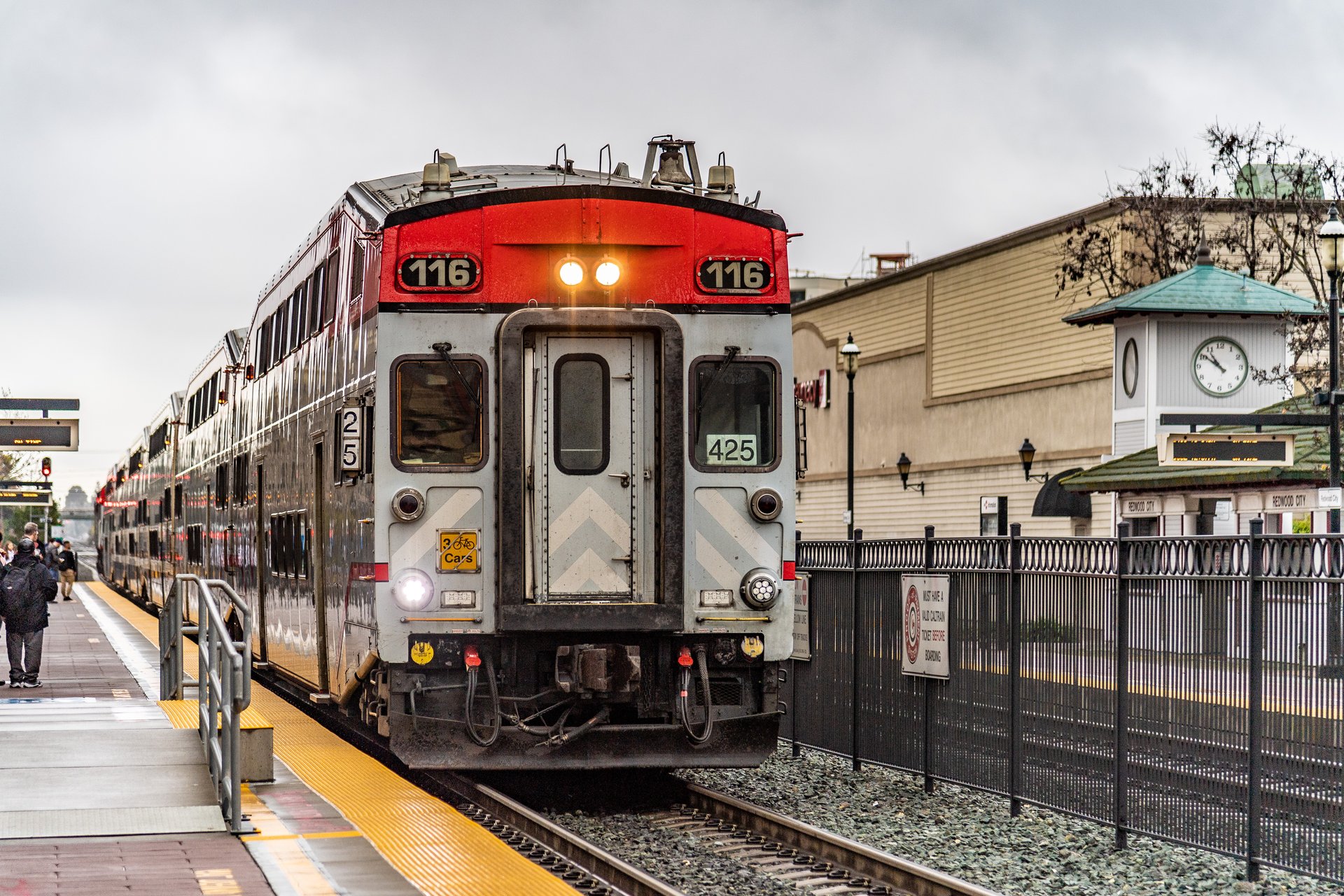
A commuter train waits at a Peninsula station as passengers move along the platform, illustrating the rail connections that make regional travel between Redwood City, San Francisco, and Silicon Valley part of many residents' daily routines. Photo by Jim Maurer on Flickr, CC BY-NC-ND 2.0
Highway 101 serves downtown, the east side, Redwood Shores, and Bayfront employment areas. Interstate 280 is more convenient from western neighborhoods via routes such as Woodside Road and Farm Hill Boulevard. Cross-town travel can take longer than the map suggests because the railroad, Highway 101, and a limited number of major east-west streets channel traffic into predictable corridors.
Living near downtown offers the strongest transit-oriented routine. Redwood Shores is convenient to Highway 101 but is not adjacent to Caltrain. Hillside neighborhoods trade walkability for a quieter setting and easier access toward Interstate 280. Cyclists can use local bike routes and Bayfront paths, although comfort and continuity depend heavily on the specific route.
Dining as Part of Daily Life
Redwood City's dining identity is broader than a list of destination restaurants. Downtown supports date nights, coffee meetings, quick lunches, and meals before a performance. Middlefield Road and nearby corridors add taquerias, bakeries, markets, and casual restaurants that reflect the city's cultural depth. Woodside Plaza and smaller neighborhood centers make everyday takeout and errands easier outside downtown.
What distinguishes the city is the range between polished downtown dining and deeply local, everyday food. Residents can choose a lively evening near Courthouse Square without losing access to low-key neighborhood favorites. That balance contributes more to the experience of living here than any single restaurant.
Outdoor Life From the Hills to the Bay
Outdoor access changes with geography. Stulsaft Park brings wooded trails and recreation into the western hills, while Red Morton supports sports, playgrounds, gathering spaces, and community programs closer to the city center. The official park directory is the best place to confirm current amenities and rules.
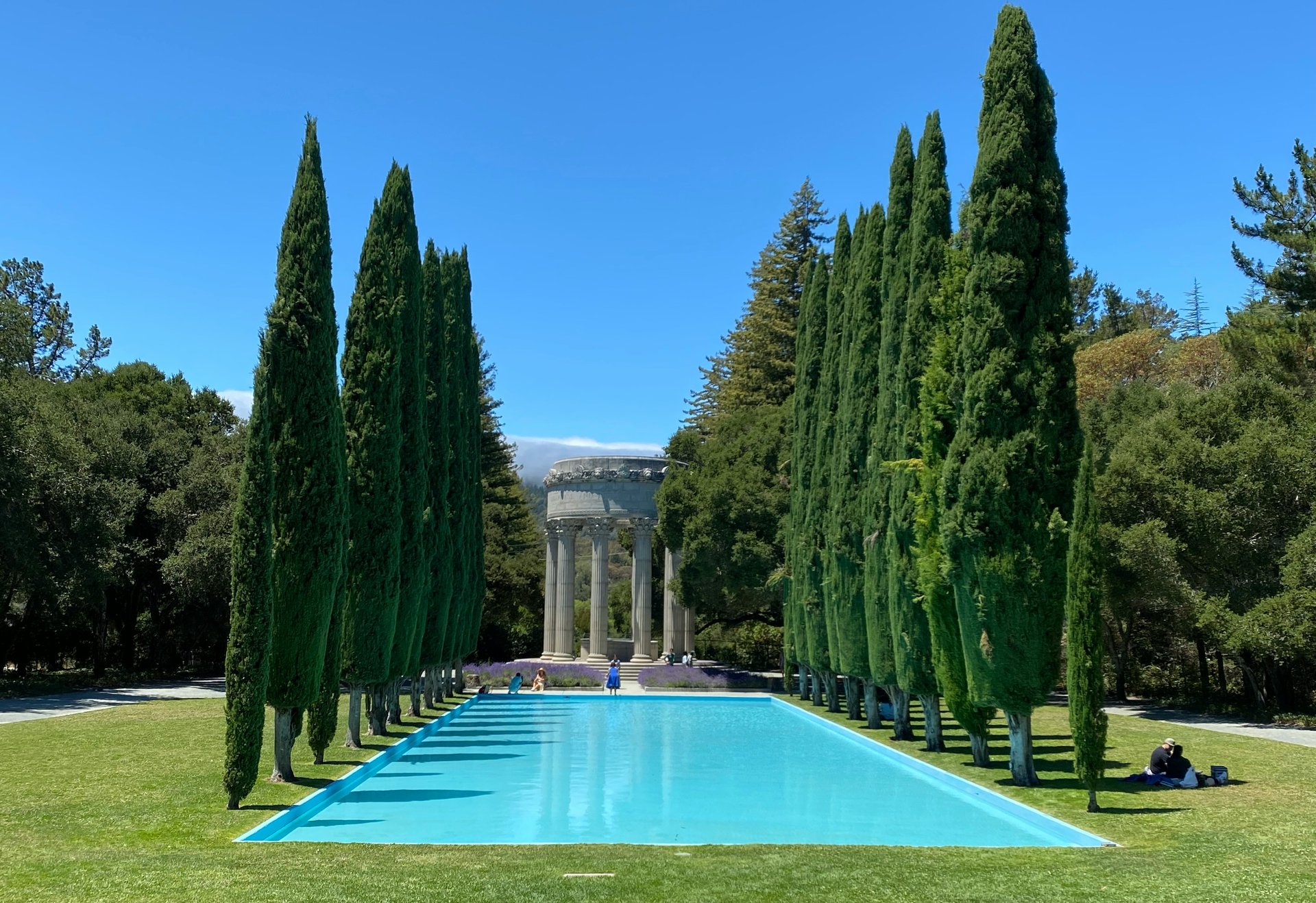
The Pulgas Water Temple stands at the center of a landscaped park, framed by tall cypress trees, open lawns, and a reflecting pool that create a distinctive outdoor setting in Redwood City. Photo by Leo Korman on Unsplash
Along the Bay, Bair Island, sections of the Bay Trail, and the paths around Redwood Shores offer a flatter, more open landscape shaped by wetlands, lagoons, and shoreline views. These are not interchangeable experiences: the western parks feel shaded and hilly, while the Bayfront is exposed, level, and expansive. That contrast is unusual within one Peninsula city.
How Redwood City Compares With Nearby Peninsula Communities
Compared with San Carlos or Belmont, Redwood City generally feels larger, more urban, and more varied. Its downtown has a stronger entertainment and civic identity, while its neighborhood range extends from transit-oriented apartments to hillside streets and waterfront developments.
Compared with Menlo Park or Palo Alto, Redwood City is less centered on a single university or prestige retail district. Its appeal comes from cultural breadth, practical amenities, community programming, and the coexistence of several distinct ways of living.
Within San Mateo County, few cities combine a substantial downtown, major rail service, hillside recreation, a working port, wetlands, and a lagoon community within the same boundaries. Exploring several Peninsula communities in person is the clearest way to see which tradeoffs suit your routine.
Is Redwood City the Right Fit?
Redwood City works especially well for people who want choices: downtown energy without committing to a major city, quieter neighborhoods without giving up restaurants and rail, and outdoor access that spans both hills and shoreline. Its main challenge is that convenience is highly location-specific. A home that looks close on a map may sit on the opposite side of a freeway, rail line, hill, or busy arterial from the places you use most.
Before deciding, visit at the times that shape your week. Walk the route to Caltrain, drive the commute, check evening noise, compare grocery access, and spend time in the nearest park or commercial district. For a grounded local Bay Area perspective, evaluate the neighborhood as a daily system rather than judging the house alone.
When you are ready to explore available homes, review the practical details that matter for buying on the Peninsula, or start a conversation about which Redwood City neighborhood fits your priorities.
Frequently Asked Questions About Living in Redwood City
What is it like to live in Redwood City, California?
Redwood City offers an active downtown, established residential neighborhoods, Caltrain access, a broad dining scene, community programming, and outdoor spaces ranging from hillside trails to Bayfront paths. The experience varies considerably between downtown, the west-side neighborhoods, the hills, and Redwood Shores.
Is Downtown Redwood City walkable?
Downtown is Redwood City's most walkable area, with restaurants, entertainment, the library, Courthouse Square, everyday services, and Caltrain within a compact district. Walkability becomes more variable farther from the city center.
Do you need a car to live in Redwood City?
Some downtown residents can manage many daily trips on foot, by bicycle, or by Caltrain. A car is more useful in hillside neighborhoods, Redwood Shores, and areas farther from downtown, particularly for cross-town travel and access to Interstate 280.
Which Redwood City neighborhoods should newcomers compare?
Useful areas to compare include Downtown, Mount Carmel, Eagle Hill, Roosevelt, Woodside Plaza, Farm Hill, Friendly Acres, Stambaugh-Heller, and Redwood Shores. Each offers a different balance of housing, walkability, outdoor access, and commute patterns.
How is Redwood City different from nearby Peninsula communities?
Redwood City combines a comparatively substantial downtown with a wide range of neighborhood settings, a diverse food and community culture, direct rail access, hillside recreation, and Bayfront environments. It generally feels more urban and varied than smaller neighboring communities.