
TL;DR summary: Home price appreciation is the increase in a property's market value over time. For a San Francisco seller, appreciation can create equity and more options, but it does not determine today's list price or guarantee a particular profit. The useful questions are what the home could reasonably sell for now, how much equity and net proceeds a sale may produce, and whether those proceeds support the owner's next move.
Home appreciation sounds simple: a property becomes more valuable than it was before. The seller's decision is more nuanced. A higher estimated value may create room to move, renovate, reduce debt, or change investments, but none of those outcomes can be understood from an appreciation percentage alone.
That is especially true in San Francisco real estate. A detached house in the Sunset, a Pacific Heights condominium, a South Beach high-rise residence, and a two-unit building may follow different value paths. Even within one neighborhood, outlook, parking, outdoor space, condition, floor plan, natural light, and building quality can produce very different results.
What Is Home Price Appreciation?
Home price appreciation is an increase in a property's market value over a period of time. If a home could reasonably have sold for $1.2 million at an earlier point and has a supportable market value of $1.5 million today, the difference is $300,000, or 25% of the earlier value.
Appreciation formula: (Current estimated market value - earlier market value) / earlier market value × 100
The earlier value matters. Purchase price is often used because it is easy to document, but it may not reflect the home's fair market value at that time. A private sale, major renovation, inherited property, or unusual bidding environment can make the purchase price a poor baseline.
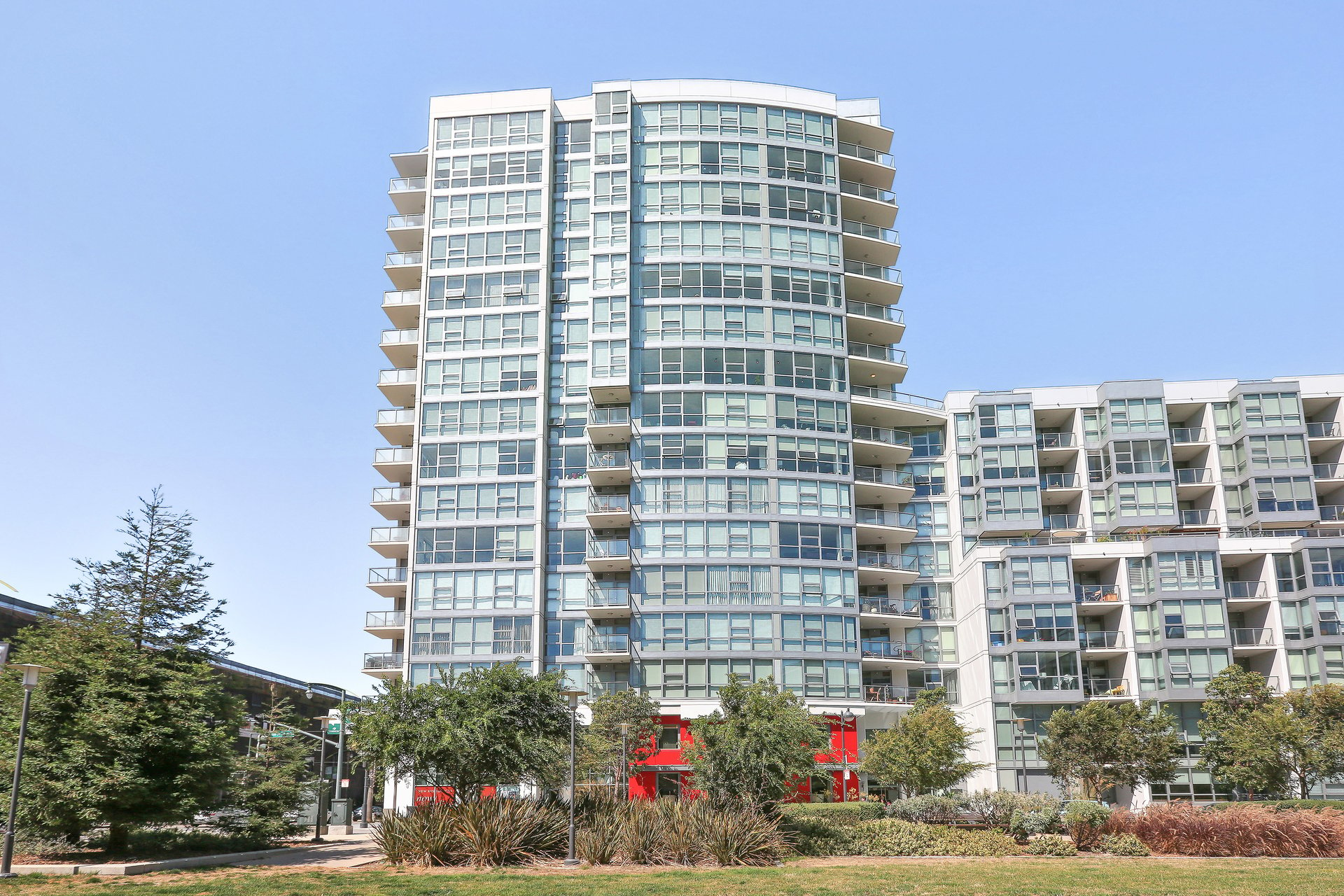
A contemporary residential condominium building illustrates how property value can be shaped by factors such as building quality, architecture, location, outdoor space, and the characteristics buyers compare within a local market.
Appreciation is also not a straight line. Values can rise, pause, or decline as buyer demand, mortgage rates, available inventory, employment, consumer confidence, and neighborhood preferences change. A long ownership period may contain several distinct market cycles.
Appreciation, Equity, and Net Proceeds Are Different
These terms are often blended together, but sellers need to separate them:
- Appreciation is the increase in the home's market value.
- Equity is the home's current value minus mortgage balances and other debt secured by the property.
- Net proceeds are what may remain after paying secured debt and the costs associated with the sale.
Mortgage principal payments can build equity even when the market is flat. Improvements may support value, although their cost is not automatically added dollar for dollar. Selling expenses, repairs, preparation, taxes, and other obligations can reduce what the owner ultimately receives. A home sale calculator can help organize an early estimate, but the inputs should be reviewed for the specific property and transaction.

A house key, model homes, and a calculator represent the financial side of homeownership, where property value, mortgage balances, and selling costs all influence the equity a homeowner may ultimately have available. Photo by Jakub Żerdzicki on Unsplash
For example, a home may have appreciated substantially while producing less spendable equity than expected because the owner refinanced, added a home equity line, or needs significant preparation before selling. Another owner may have modest appreciation but strong equity after years of principal payments.
Market Value Is Not the Same as Assessed Value
A property's tax-assessed value, an online estimate, an appraisal, and a real estate market analysis serve different purposes. None should be treated as interchangeable.
For a potential sale, market value is the probable price a qualified buyer may pay under current conditions. Estimating it requires recent, relevant evidence and informed adjustments. A useful home valuation should look beyond a citywide average and account for the home's actual competitive set.

An elevated view of a San Francisco residential neighborhood reveals a diverse mix of homes, architectural styles, lot sizes, streets, and hillside settings—differences that buyers may consider when comparing properties in the same market.
Start With the Closest Comparable Sales
The best comparisons usually share the characteristics buyers care about most: neighborhood or micro-location, property type, size, bedroom and bathroom count, condition, parking, outdoor space, views, floor level, architecture, and recurring ownership costs. A sale several blocks away can be less useful than it appears if the street, outlook, transit exposure, or housing type is meaningfully different.
Then Read the Current Competition
Closed sales show what buyers paid in the recent past. Pending listings indicate where current demand is forming, although the contract price is not public before closing. Active listings show the alternatives a seller will face on launch day. Withdrawn or expired listings reveal prices and presentations the market rejected.
Adjust for the Mix of Homes Sold
A rising San Francisco median does not mean every home appreciated by the same percentage. The median can move because a larger share of expensive homes sold in one period or because the balance between houses and condominiums changed. Current market updates are useful context, but the individual property still needs its own analysis.
What Appreciation Means When You Are Deciding to Sell
Appreciation creates options; it does not create an automatic instruction to sell. A productive decision starts with the owner's goal and works backward.
- Estimate today's likely value. Use property-specific evidence rather than a broad appreciation headline.
- Estimate equity and net proceeds. Include secured debt and realistic selling costs.
- Price the next move. Consider the cost of the replacement home, rent, financing, moving, and any transition period.
- Review tax and legal questions. Ask qualified professionals how a sale may affect your situation.
- Compare selling with the alternatives. Holding, renting, renovating, refinancing, or selling later may each have different tradeoffs.
For owners planning to sell one property and purchase another, appreciation is only half of the equation. The next home may also have appreciated, and a new mortgage may carry different terms. A coordinated sell-and-buy plan should test the sequence, financing, temporary housing needs, and risk tolerance before the first listing decision is made.
Appreciation Does Not Set the List Price
Buyers do not price a home from the owner's purchase price, renovation receipts, or preferred annual return. They compare the property with what they can buy now. That means the list price should respond to current competition, buyer behavior, property condition, and the marketing strategy.
This distinction is particularly important in San Francisco, where asking price may be used as a positioning tool. A home selling above its original list price does not, by itself, prove dramatic appreciation. The list price may have been designed to attract attention below the expected market value. Likewise, a sale below asking does not automatically mean the home depreciated. The asking price may simply have started too high.
The right strategy connects valuation with presentation and exposure. The full selling process should establish who the likely buyer is, how the property will be prepared, where it fits against competing homes, and how the launch will create a clear reason to act.
Preparation Can Help the Market Recognize Existing Value
Appreciation describes a change in value; it does not guarantee that buyers will immediately see the home's potential. Deferred maintenance, dark photography, crowded rooms, incomplete disclosures, or a confusing floor plan can obscure value that might otherwise be apparent.
A thoughtful preparation plan focuses on the work most likely to remove buyer objections or improve the first impression. That may include repairs, paint, lighting, landscaping, cleaning, staging, or a clearer presentation of permitted improvements. The goal is not to spend indiscriminately. It is to align the property with the expectations of its most likely buyer.
The marketing strategy then translates that value into a buyer-facing story through photography, floor plans, copy, digital distribution, agent outreach, open houses, and follow-up. Strong marketing cannot manufacture value, but weak marketing can prevent the market from recognizing it.
Does Appreciation Mean This Is the Best Time to Sell?
Not necessarily. Appreciation can strengthen the financial case for a sale, but timing also depends on inventory, buyer demand, property readiness, personal deadlines, and the next move. The most useful comparison is not today's value versus the original purchase price. It is selling now versus the realistic alternatives available to you.

House keys surrounded by miniature homes represent the choices homeowners may weigh as property values change, including whether to sell, hold the property, or use accumulated equity toward their next move. Photo by Jakub Żerdzicki on Unsplash
Seasonality can influence buyer activity, yet waiting for a historically stronger month is not always the best choice. Kinoko's analysis of the best time to sell shows why property type, price point, preparation, and personal timing still belong in the decision.
A Better Way to Use an Appreciation Estimate
Instead of asking only, “How much has my home gone up?” use the estimate to answer a sequence of practical questions:
- What price range is supported by current comparable evidence?
- How sensitive is that range to preparation, timing, and competition?
- What would estimated net proceeds look like at the low, middle, and high end?
- What costs or work should be completed before launch?
- What does the next move require financially and logistically?
- Which assumptions need confirmation from a tax, legal, lending, or inspection professional?
Past sale strategies can illustrate how pricing, preparation, and marketing work together, but no case study replaces a property-specific analysis. The useful lesson is the process behind the result, not an assumption that another home's outcome can be repeated.
Once offers arrive, appreciation still should not be the only lens. Price, financing, contingencies, timing, possession, and certainty all affect the quality of a contract. A clear framework for how to evaluate an offer helps turn accumulated value into a transaction that fits the seller's priorities.
Frequently Asked Questions
What is home price appreciation?
Home price appreciation is an increase in a property's market value over time. It can reflect changes in buyer demand, available inventory, financing conditions, neighborhood appeal, property condition, and the mix of homes being sold. Appreciation is not guaranteed and does not usually occur at a steady annual rate.
Is appreciation the same as equity?
No. Appreciation is the change in a home's market value. Equity is the portion of the home's value that belongs to the owner after subtracting mortgage debt and other property-secured obligations. Paying down a mortgage can build equity even when the market value is flat.
How do I estimate how much my San Francisco home has appreciated?
Compare the home's likely current market value with its value at the earlier date you are measuring from. A reliable estimate should use recent comparable sales and account for neighborhood, property type, size, condition, parking, outdoor space, views, building characteristics, and current competition.
Does a higher citywide median price mean my home appreciated by the same amount?
No. A citywide median can change because the mix of homes sold changed, and different San Francisco property types and neighborhoods can move differently. Individual value depends on the market for the specific home.
Should I sell because my home has appreciated?
Appreciation may create useful equity, but it is only one part of the decision. Consider likely net proceeds, the cost and timing of the next move, financing, taxes, property preparation, and whether selling supports your personal goals.
Should I price my home based on how much it appreciated?
No. Buyers respond to current market alternatives, not the owner's purchase price or a preferred appreciation rate. Pricing should be based on current comparable evidence, active competition, the home's condition, and the launch strategy.
This article is for general informational purposes and is not tax, legal, lending, or appraisal advice. Property values, costs, and transaction outcomes vary. Consult the appropriate licensed professionals for advice about your circumstances.Photo by Jakub Żerdzicki on Unsplash