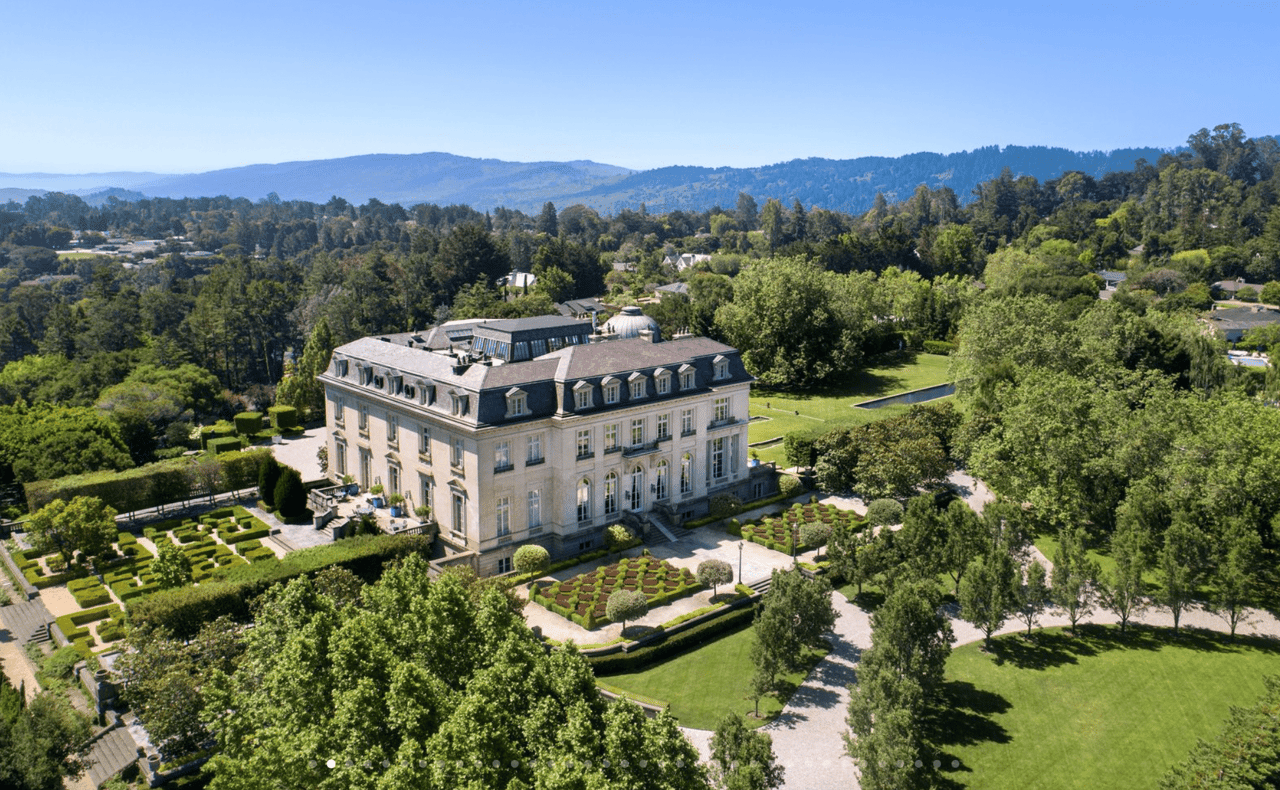
TL;DR summary: Living in Hillsborough means choosing a quiet, low-density residential setting instead of a walkable downtown lifestyle. Winding roads, mature landscaping, varied estate architecture, and large lots define much of the town. Daily shopping, dining, and rail access are found mainly in neighboring Burlingame and San Mateo, while community life centers on schools, recreation programs, civic events, and Town Hall.
Instead of storefronts and apartment-lined avenues, Hillsborough is defined by winding roads, mature trees, deep setbacks, and architecture that ranges from early twentieth-century estates to midcentury houses and contemporary rebuilds. The result feels private and spacious, but it also makes driving part of everyday life. Among Peninsula communities, Hillsborough offers one of the clearest examples of the tradeoff between residential seclusion and walkable convenience.
What Is Daily Life in Hillsborough Like?
Daily life tends to be organized around the home, school or work schedules, and short drives into surrounding cities. Many streets are quiet, but that does not necessarily make them pedestrian-oriented. Hills, curves, narrow shoulders, and the absence of conventional sidewalks on many routes can turn a short distance into an impractical walk.
The experience also changes across town. Lower Hillsborough, close to El Camino Real, offers faster access to Burlingame Avenue, downtown San Mateo, Caltrain, and Highway 101. Central and western areas feel more removed and wooded, with longer internal drives and easier approaches toward Interstate 280. The northern side connects naturally with Burlingame, while southern Hillsborough looks more toward San Mateo and the College of San Mateo.
Those differences make an address-specific test essential. The broader Hillsborough overview is useful context, but the most revealing exercise is to drive the actual morning route, grocery run, and evening return.
Hillsborough Does Not Have a Traditional Downtown
Hillsborough's lack of a downtown is not an oversight. The town's early planning decisions rejected a street grid, conventional sidewalks, and commercial or business uses in order to preserve a low-density residential character. Town Hall on Floribunda Avenue serves as the civic center, but it is not surrounded by cafes, shops, or an entertainment district.
For dining and shopping, residents generally look beyond the town limits. Burlingame provides two useful commercial areas: Burlingame Avenue, with its larger mix of restaurants and stores, and Broadway, which has a smaller neighborhood scale. The city's official dining and shopping overview explains the distinction.
To the south, San Mateo offers a broader downtown restaurant scene, grocery options, services, and regional connections. Which downtown feels more convenient depends on the location within Hillsborough, not simply the town name.
Separate articles on Burlingame dining and San Mateo dining keep changing business recommendations outside this evergreen lifestyle guide.
Residential Character Comes From Space and Topography
Hillsborough grew from large Peninsula estates, and that history remains visible in its landscape. Long driveways, irregular parcels, mature plantings, stone walls, gates, and houses positioned around slopes rather than a strict street grid give the town a distinctly private character.
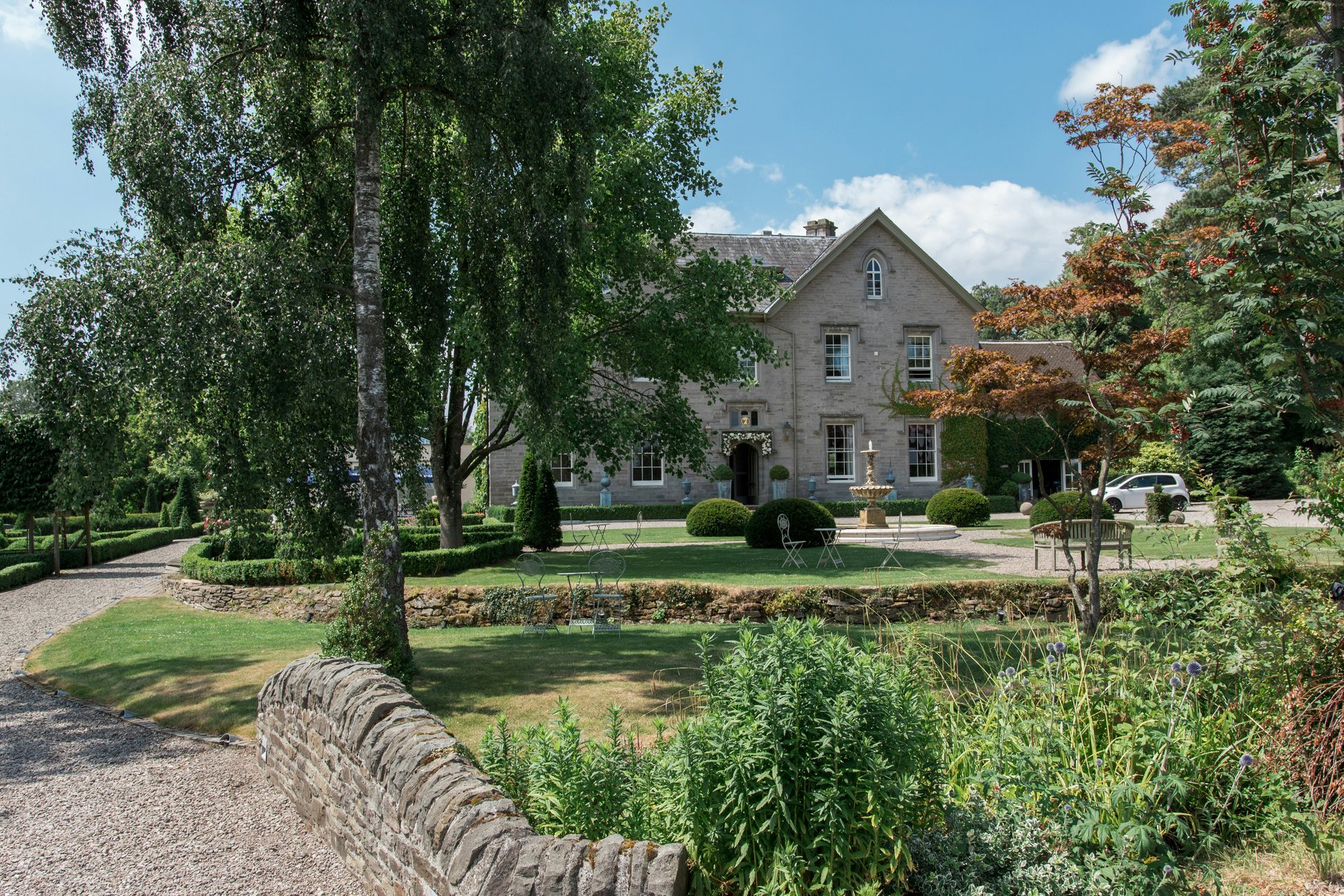
A large residence sits above a broad stretch of landscaped lawn, framed by mature trees and open grounds that emphasize the spacious, low-density character associated with estate-style neighborhoods. Photo by Alice Hartrick on Unsplash
A long-standing half-acre minimum-lot standard helped establish the town's baseline development pattern, although state housing laws and specifically rezoned sites create important exceptions. Hillsborough is also largely built out, so change often arrives through remodeling, replacement construction, subdivision where permitted, and carefully reviewed projects rather than through new conventional neighborhoods.
Architectural variety is broader than the estate label suggests. Formal revival-style houses appear beside ranch homes, postwar modernism, Mediterranean designs, and contemporary residences. Hillsborough's planning process pays close attention to scale, visibility, landscaping, materials, and how a project relates to its site. The Town's Planning Division maintains the current rules and review guidance.
Community Life Is Organized Differently Here
Without a commercial center, Hillsborough does not produce the spontaneous sidewalk encounters associated with a traditional downtown. Community connections are more likely to grow through schools, recreation programs, civic meetings, volunteer groups, clubs, and recurring town events.
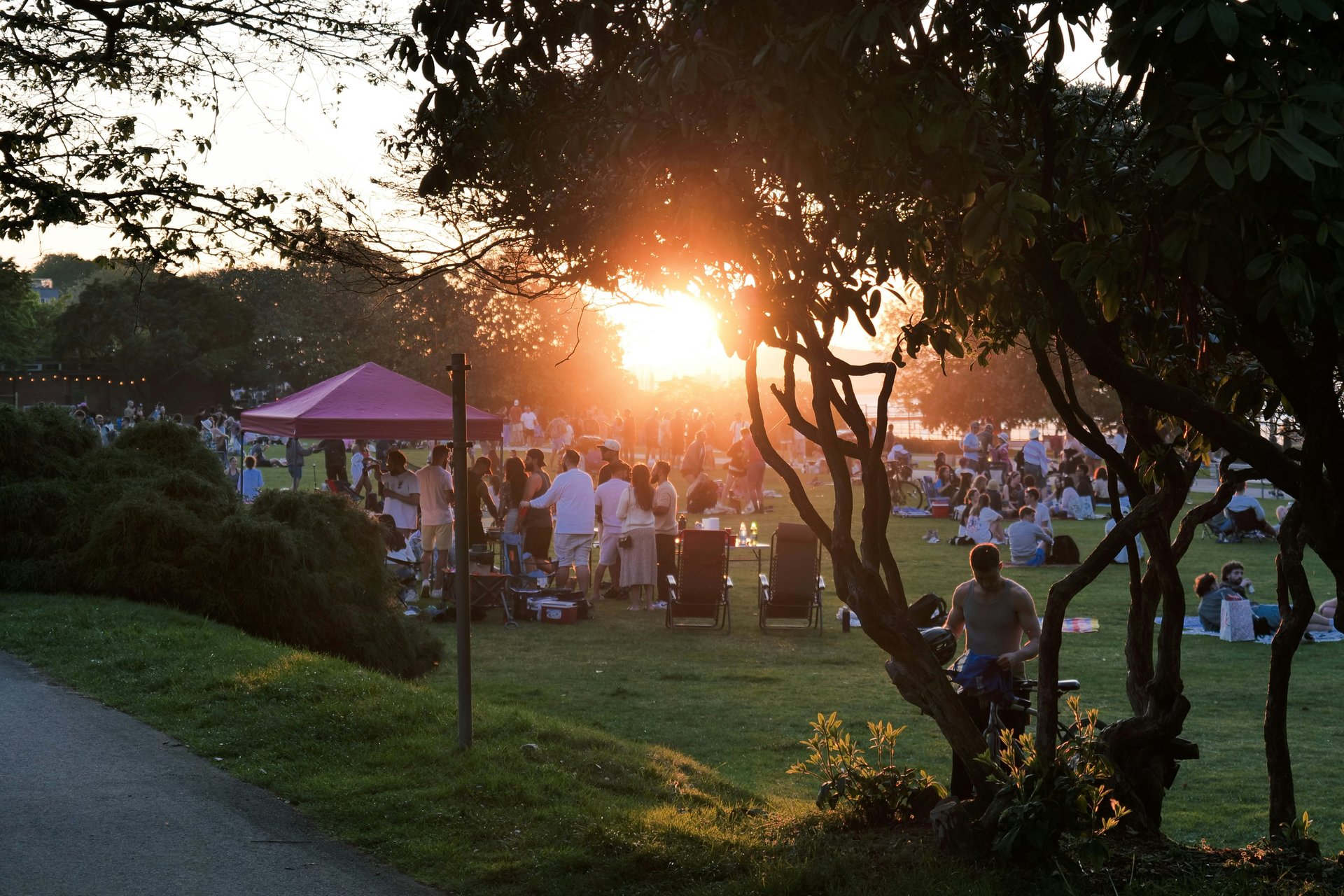
People gather outdoors on a grassy park surrounded by mature trees, creating the kind of relaxed setting where community events, recreation, and social connections can take place. Photo by Rui YAO on Unsplash
The Hillsborough Recreation Department operates through a partnership between the Town and the local school district, providing sports, classes, camps, and programs for different ages. The annual Memorial Day event is one of the town's recurring public traditions, while Town Hall meetings and boards provide another route into civic life. Current dates should always be checked through the official community calendar.
This creates a quieter social pattern. Community exists, but it is less visible from the street and often requires deliberate participation. Someone seeking constant public activity may prefer a nearby downtown; someone comfortable building routines around organized institutions may find Hillsborough's structure natural.
Parks, Recreation and the Meaning of Open Space
Hillsborough's greenery can make the entire town appear park-like, but landscaped private property, protected open space, and public recreation land are not interchangeable. Some designated open-space areas are not open for public walking. Residents should confirm access rather than assuming that every wooded parcel contains a trail.
Vista Park and Crossroads Park provide local public space, and recreation programs use town and school facilities. Larger trail networks and regional parks are reached elsewhere in San Mateo County. The official parks and recreation guidance clarifies current access and facility rules.
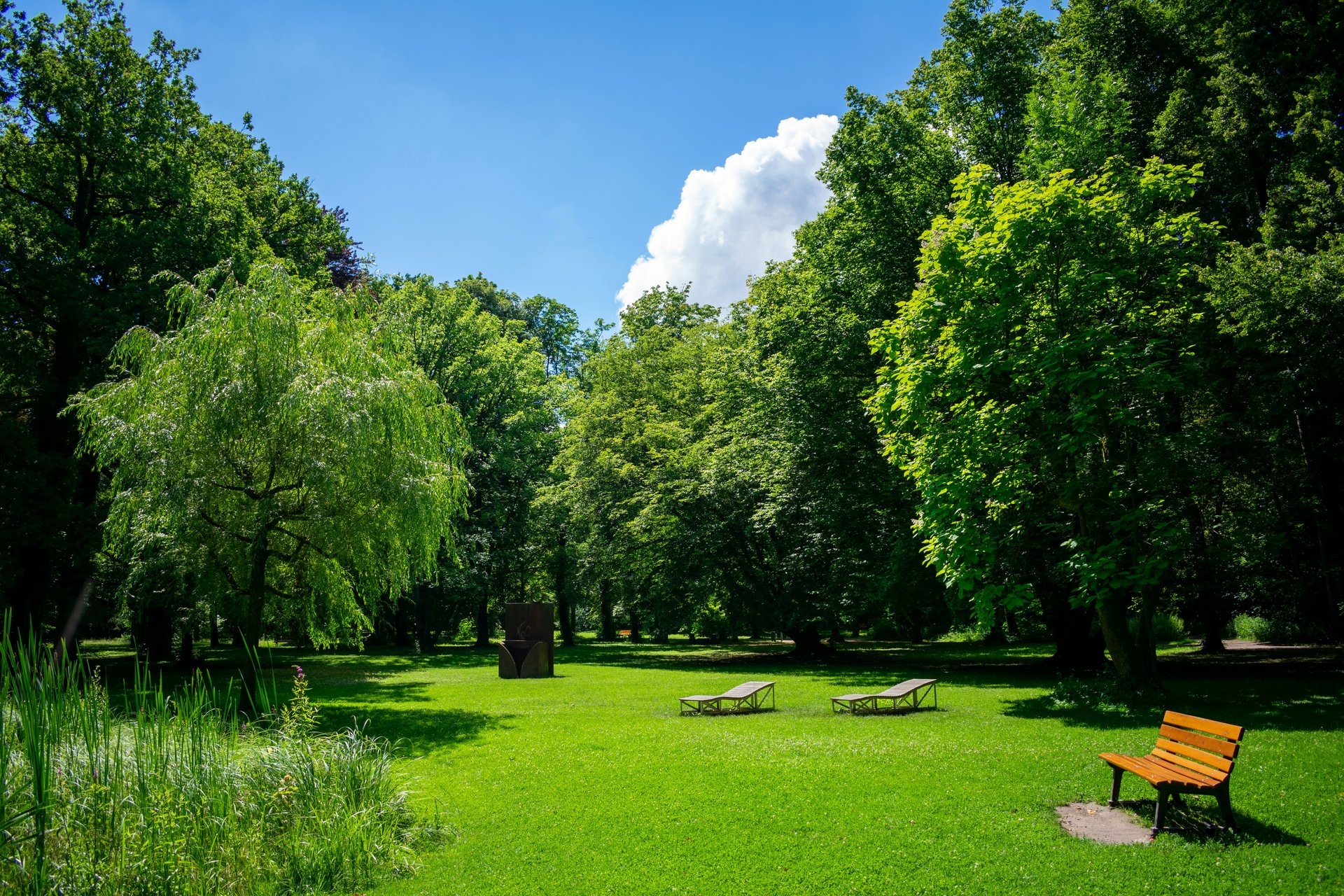
An expansive green park framed by mature trees, landscaped vegetation, and open lawn provides a peaceful setting for recreation, relaxation, and time outdoors. Photo by Daniel Zopf on Unsplash
For broader outings, the Peninsula makes it easy to reach Bayfront paths, Crystal Springs-area recreation, and destinations farther west. The separate Hillsborough things-to-do page can hold changing destination ideas without duplicating them here.
A Brief History of Hillsborough
The land now called Hillsborough is within the ancestral homeland of the Ramaytush Ohlone. In the nineteenth century, the area became part of Rancho San Mateo and later attracted San Francisco families seeking country estates within reach of the city.
Hillsborough incorporated in 1910, partly in response to possible annexation by neighboring Burlingame and San Mateo. Its founders used land-use rules to protect a residential, estate-oriented pattern. Large properties were gradually divided over the following decades, but the curving roads, absence of a commercial core, and emphasis on space survived.
That history connects Hillsborough with other low-density Peninsula communities such as Atherton and Woodside, although each has a different landscape and relationship with nearby commercial centers. A visit to Filoli offers public access to the wider Peninsula estate tradition in a way Hillsborough's private residences generally do not.
The Tobin Clark Estate as Architectural Context
The Tobin Clark Estate, historically known as House-on-Hill, helps explain the scale and ambition of early Hillsborough. Celia Tobin Clark commissioned Chicago architect David Adler to design the residence, which was completed in the early 1930s with Tudor and English country-house influences. The property is private, so it should be understood as architectural context rather than a public attraction.
The name also extends beyond the house. Portions of the former estate were subdivided, creating the southern Hillsborough streets around Tobin Clark Drive and Tournament Drive. Separate town-owned land within the former estate is now identified in Hillsborough's housing planning. The official Tobin Clark site page should be consulted for current project information because planning details can change.
This layered meaning is important: the historic residence, the later neighborhood, and the town-owned planning site are related geographically but are not the same thing. Together, they show how Hillsborough has moved from a landscape of very large private estates toward a more varied, still predominantly low-density town.
Transportation and Everyday Convenience
Most Hillsborough households rely heavily on cars. The town has no Caltrain station, but stations in Burlingame and San Mateo may be convenient from lower and eastern areas. Interstate 280 is useful from western Hillsborough, while El Camino Real and Highway 101 serve trips along the Peninsula.
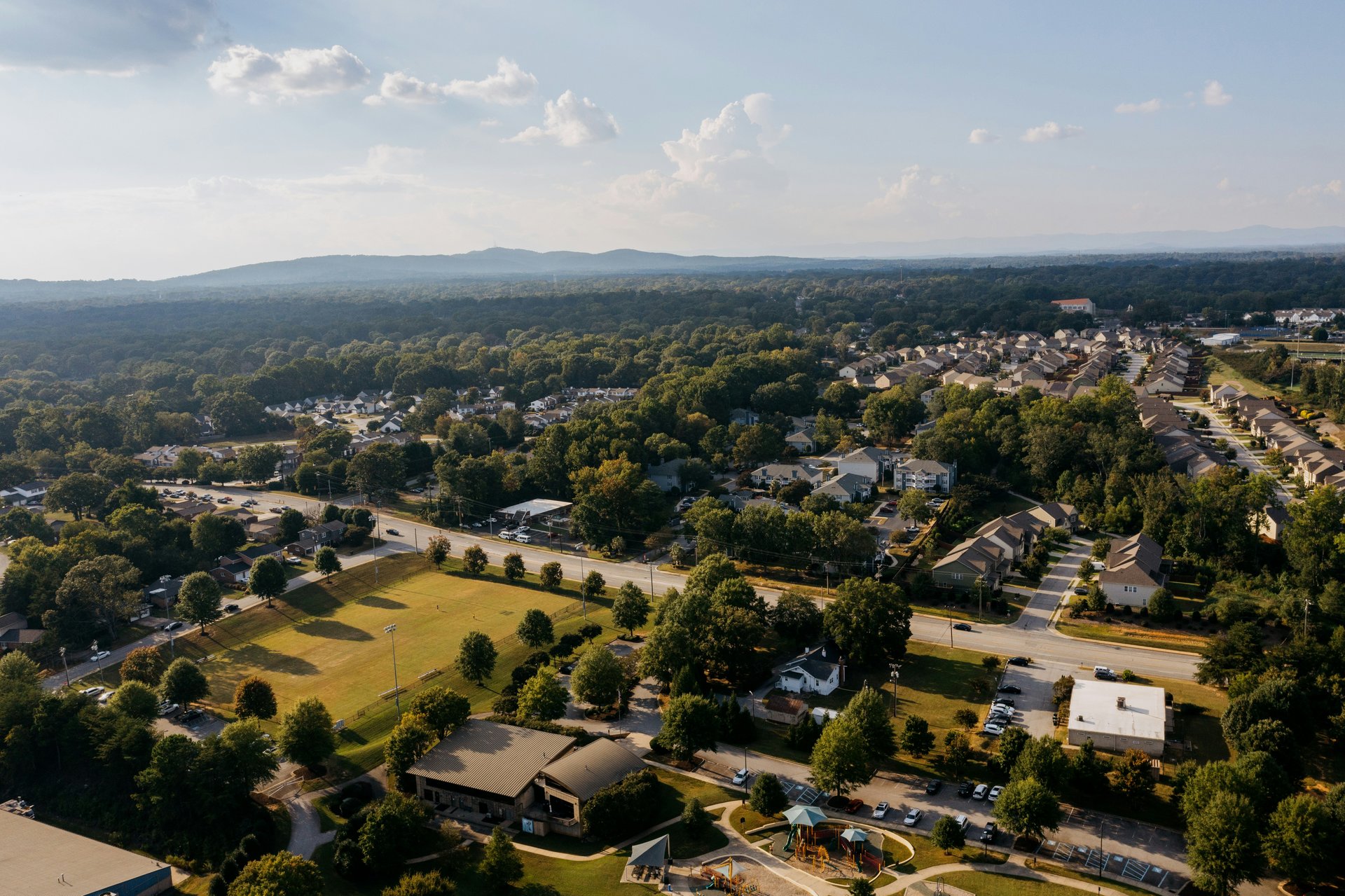
An expansive suburban landscape connects residential neighborhoods, local roads, open green space, and everyday destinations, illustrating how distance and road access can shape daily travel in a low-density community. Photo by Alex Reynolds on Unsplash
Commute convenience can shift dramatically within a few miles. A house near the Burlingame border may support a quick drive to Caltrain and Burlingame Avenue, while an address deeper in the hills offers more separation but adds time to nearly every errand. Walking and cycling also depend heavily on road width, grade, and traffic conditions.
Nearby Millbrae adds BART, Caltrain, and airport access to the regional picture. The wider San Mateo County guide helps compare these transportation tradeoffs across the Peninsula.
What Makes Hillsborough Different?
Hillsborough differs from Burlingame and San Mateo because it intentionally separates residential life from commerce. It differs from denser suburbs because the street pattern, lot sizes, and terrain create far more physical space. It also differs from rural Peninsula communities because major downtowns, freeways, rail stations, and San Francisco International Airport remain close by.
The defining experience is not simply privacy or architecture. It is living near urban conveniences while keeping them outside the town itself. That arrangement can feel peaceful and coherent, but it requires comfort with driving, home-centered routines, and a community life that is organized more through institutions than sidewalks.
Comparing Hillsborough with other Bay Area communities is most useful when the comparison focuses on ordinary logistics: the morning commute, school or activity routes, groceries, dinner, recreation, and the trip home after dark.
Frequently Asked Questions About Living in Hillsborough
What is it like to live in Hillsborough, California?
Hillsborough offers a quiet, low-density residential environment with winding roads, mature landscaping, large lots, and varied architecture. Daily life is generally car-oriented because shopping, dining, and rail service are located in neighboring cities.
Does Hillsborough have a downtown?
No. Hillsborough has a civic center at Town Hall but no traditional commercial downtown. Residents commonly use Burlingame Avenue, Broadway in Burlingame, and downtown San Mateo for restaurants, shopping, and services.
Can you walk to shops and restaurants from Hillsborough?
A few lower Hillsborough addresses may be relatively close to neighboring commercial areas, but most of the town is not designed around walking to shops. Hills, curving streets, and limited sidewalks make the experience highly address-dependent.
Is the Tobin Clark Estate open to the public?
The historic House-on-Hill residence is private and should not be treated as a public attraction. The separate town-owned Tobin Clark housing site has an official project page for public planning information.
What should someone evaluate before moving to Hillsborough?
Test the commute, drive to groceries and dining, check access to Burlingame or San Mateo, review the road and walking conditions around the address, and confirm current planning, school, utility, and property information directly with the relevant agencies.