
Last updated: November 18, 2026
TL;DR summary: Buyers decide how they feel about a home long before they make an offer. Prepare the house so it makes a strong first impression, from the curb to every room, then market it so buyers see exactly what makes it special. Curb appeal, staging and professional photos all have research behind them, and a local agent can put it all together.
Before a buyer makes an offer on a home in the San Francisco Bay Area, they have already formed an opinion: from the listing photos, from the curb and in the first few seconds inside the front door. This guide covers how to prepare and market your home so that opinion works in your favor.
What does it take to get buyers to want your home?
Buyers want homes that look cared for, feel easy to move into and show clearly what they offer. That comes down to three stages: preparing the house, marketing the listing and making showings easy. Each one either draws buyers in or gives them a reason to keep scrolling.
Stage | What to focus on | What it does for buyers |
|---|---|---|
Preparing the home | Curb appeal, staging, paint, decluttering, cleaning, repairs and a pre-listing inspection | Makes a strong first impression and removes reasons to negotiate |
Marketing the listing | Best feature, professional photos, video, floor plan and listing description | Shows buyers exactly what they are getting |
Showings | Easy access, disclosures ready and a local agent | Turns interest into confident offers |

Classic Victorian facades and a skyline backdrop show how much presentation shapes the way buyers see a home. Photo by Joshua Sortino on Unsplash
When should you start preparing your home?
Start with your target listing date and work backward. ATTOM analyzed national home sales from 2015 to 2025 and found that March had the highest seller premium at 10.7%, with April and May close behind at 10.2%. Every month still showed a premium, and local MLS trends show when buyer activity peaks in your neighborhood, so leave enough time to finish the prep work before then.
Pricing matters as much as preparation. Buyers compare your home with every other listing in their price range, so the price, the photos and the house should all be ready on the first day. For pricing against today's competition, planning a price change and handling offers, read our guide on how to grow your buyer pool. A custom home valuation built on recent nearby sales is the best starting point.
How should you prepare your home before listing?
Fix up the front
Buyers decide how they feel about a home before they walk in. A University of Texas at Arlington study found that homes with strong curb appeal sell for about 7% more than comparable homes in the same neighborhood, and the premium rose to 10 to 11% during the 2008 financial crisis. Tidy landscaping, a well-kept exterior and an inviting entryway do the work.

A clean entry, fresh paint and healthy greenery shape a buyer's first impression before they step inside. Photo by Allen Y on Unsplash
Stage the rooms that matter most
Staging helps buyers picture themselves living in a home. In the National Association of REALTORS® 2025 Profile of Home Staging, 29% of sellers' agents reported a 1% to 10% increase in the dollar value offered on staged homes, and 49% said staging reduced time on market. Buyers' agents named the living room (37%), primary bedroom (34%) and kitchen (23%) as the most important rooms to stage.

Neutral furniture and open floor space let buyers imagine their own routines in the living room. Photo by Collov Home Design on Unsplash
Choose a fresh, neutral palette
Fresh paint is one of the most affordable updates a seller can make. Calm, muted colors photograph well and let buyers picture their own furniture, while bold or dated colors become one more project on a buyer's list.
Declutter and depersonalize
Buyers need to see the space, not your belongings. Clear countertops, thin out closets and put away family photos. A lighter, more open home photographs better and feels larger during showings.
Deep clean everything
A spotless home tells buyers it has been cared for. Clean windows, grout, baseboards and appliances, and refresh carpets or floors. It's a small cost that shapes how buyers read every other detail.
Handle small repairs before listing
Leaky faucets, sticky doors and cracked tiles give buyers reasons to negotiate. Fixing them before listing keeps the conversation focused on what the home offers, not on what it needs.
Get a pre-listing inspection
An inspection before listing lets you find issues on your schedule instead of the buyer's. You can repair them, price around them or disclose them up front, which means fewer surprises once you're in contract.
How do you market your home to the right buyers?
Show off your best feature
If buyers don't know it's there, they won't pay for it. Whether it's a home office, a view, a garden or a newly remodeled kitchen, move the home's best feature to the first line of the listing and the first photo.
Invest in professional photos
Photos are where most buyers first meet a home. In the same NAR staging report, 73% of buyers' agents rated photos as highly important, ahead of physical staging (57%), videos (48%) and virtual tours (43%). Professional photography and good natural light are worth the investment.
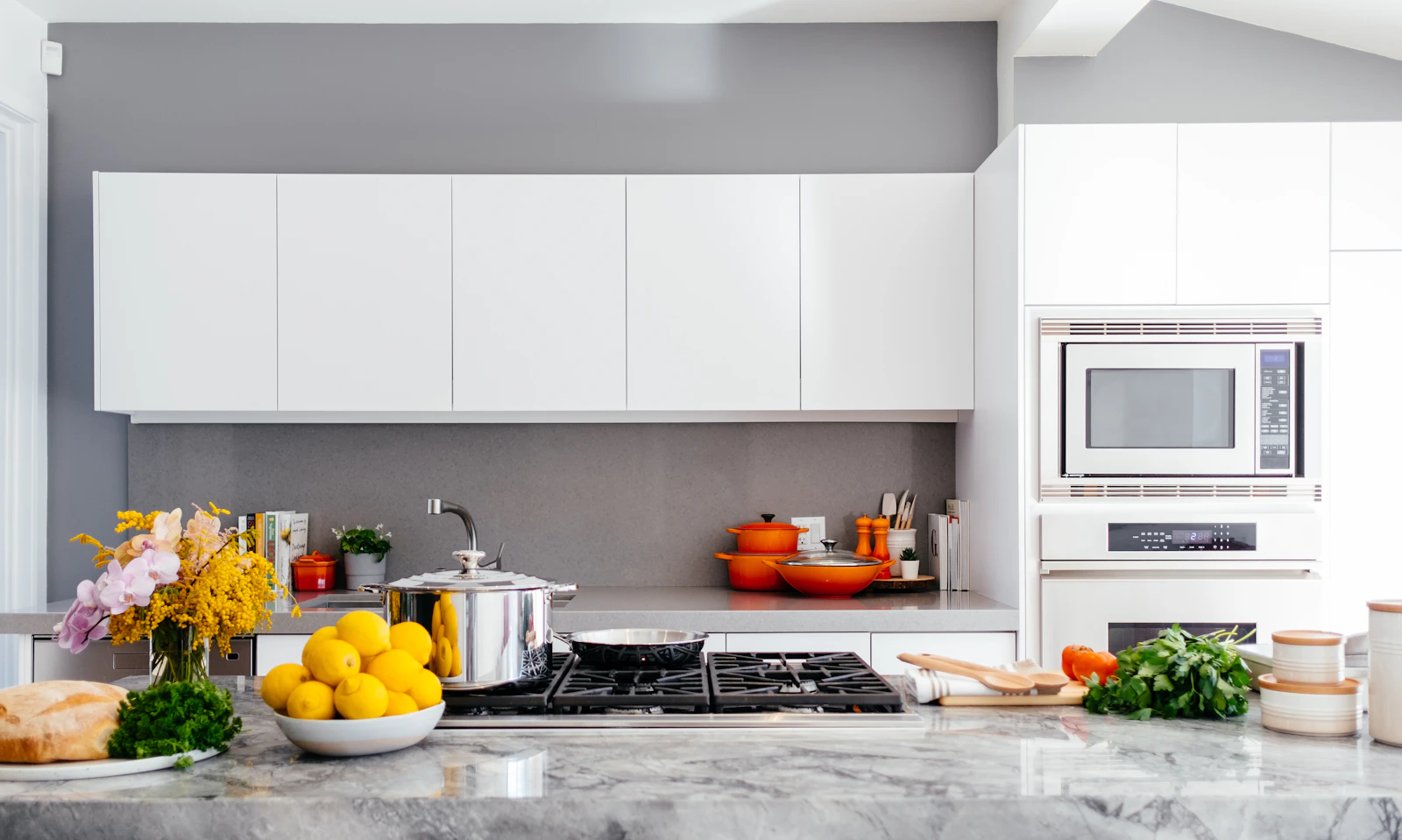
Natural light and clear counters help a kitchen read as bright and spacious in listing photos. Photo by Jason Briscoe on Unsplash
Add video and a virtual tour
Video and virtual tours let buyers walk through a home before they visit, which brings more serious buyers to showings. They're especially useful for buyers relocating to the Bay Area who can't tour in person right away.
Include a floor plan
Buyers want to understand the layout before they tour. A clear floor plan helps the right buyers see how the home fits their life and saves time for everyone.
Write a listing description that sells
Lead with what makes the home different and the details buyers search for: updates, outdoor space, parking and natural light. Mention the neighborhood, too. Our neighborhood and city guides show what buyers love about each area.
How do you make showings easy for buyers?
Keep the home ready to show
Every buyer who can't get in is a buyer who can't make an offer. Keep the home show-ready, be flexible on times and plan where you'll go during open houses so buyers can take their time.
Have your disclosures ready
In California, sellers provide disclosures about the property's condition. Having them ready at listing, along with any inspection reports, helps buyers write stronger offers with fewer contingencies and the confidence to move quickly.
Work with an agent who knows your market
Most sellers choose expert help. According to NAR's 2025 Profile of Home Buyers and Sellers, 91% of sellers used a real estate agent or broker, and for-sale-by-owner sales fell to a record low of 5%. A local agent knows what buyers in your neighborhood look for and can coordinate the prep, the photos and the launch.
Is your home ready for buyers?

From the city to the wider Bay Area, local knowledge helps sellers prepare and launch with confidence. Photo by Andrew Whitmore on Unsplash
Buyers fall for homes that look cared for and are easy to understand at a glance. Prepare the house with care, market its best features clearly and make it easy to see. The best test is to look at your home the way a buyer will: from the curb, in the photos and the moment they walk through the front door.
Once the house is ready, the next step is a plan to get the price you want, from pricing against the competition to countering offers. For a step-by-step look at the process, visit our seller resources. To see where your home stands, request a custom valuation from Kinoko based on recent sales near you. Buying and selling at the same time? Our buyer resources cover the other side of the move.
Frequently Asked Questions
How do I prepare my house to sell?
Start outside with curb appeal, then declutter, deep clean, handle small repairs and stage the living room, primary bedroom and kitchen. A pre-listing inspection helps you find issues on your schedule instead of the buyer's.
What is the best time of year to sell a home?
Nationally, spring tends to bring the highest seller premiums. ATTOM's analysis of sales from 2015 to 2025 found March led at 10.7%, with April and May at 10.2%. Every month still showed a premium, and local market trends matter as much as the season.
Does staging a home really increase the sale price?
Often, yes. In NAR's 2025 Profile of Home Staging, 29% of sellers' agents reported a 1% to 10% increase in the dollar value offered on staged homes, and 49% said staging reduced time on market. The living room, primary bedroom and kitchen matter most to buyers.
How much does curb appeal add to a home's value?
A University of Texas at Arlington study found that homes with strong curb appeal sell for about 7% more than comparable homes in the same neighborhood, with a larger premium in slower markets.
Are professional listing photos worth it?
Usually, yes. In NAR's 2025 Profile of Home Staging, 73% of buyers' agents rated listing photos as highly important, ahead of physical staging, videos and virtual tours.
Do I need a real estate agent to sell my home?
Most sellers use one. NAR's 2025 Profile of Home Buyers and Sellers found that 91% of sellers used an agent or broker, and for-sale-by-owner sales fell to a record low of 5%.