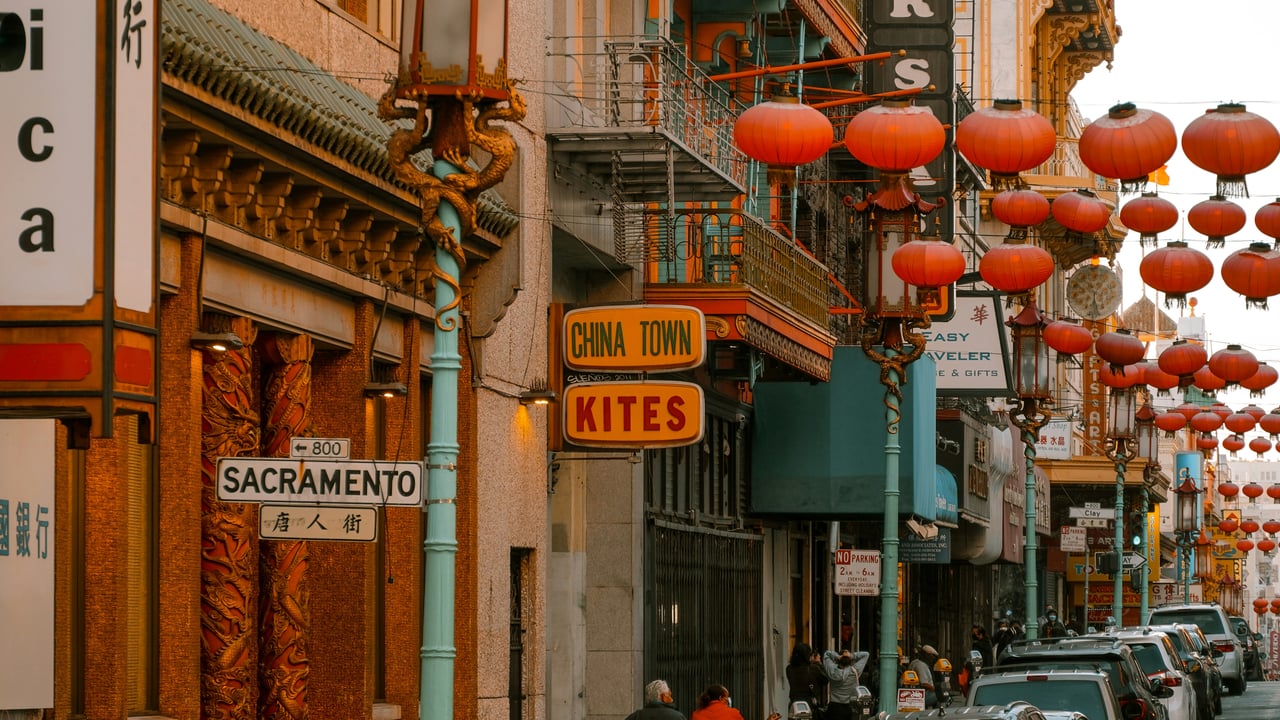
TL;DR summary: The free 2026 San Francisco Chinatown Autumn Moon Festival takes place Saturday and Sunday, September 19–20, from 11:00 a.m. to 5:00 p.m. along Grant Avenue between California Street and Broadway. The weekend features lion and dragon dancing, martial arts, live music, Chinese folk dance, taiko, guzheng, food vendors, mooncakes, children’s activities, a photography display, and a Sunday dumpling contest. The traditional Mid-Autumn Festival falls later, on Friday, September 25, 2026. Public transit is strongly recommended.
San Francisco Chinatown will welcome autumn with two days of performances, food, mooncakes, family activities, and street celebrations during the 2026 Autumn Moon Festival.
Presented by the San Francisco Chinatown Merchants Association, the festival takes place September 19 and 20 along Grant Avenue. This year also marks the event’s 35th anniversary, adding another layer of significance to one of Chinatown’s most enduring cultural celebrations.
2026 Chinatown Autumn Moon Festival at a Glance
- Dates: Saturday, September 19, and Sunday, September 20, 2026
- General festival hours: 11:00 a.m.–5:00 p.m.
- Location: Grant Avenue between California Street and Broadway
- Main stage: Washington Street and Grant Avenue
- Admission: Free
- Organizer: San Francisco Chinatown Merchants Association
- Traditional Mid-Autumn Festival date: Friday, September 25, 2026
- Best transportation option: BART or Muni
Pacific Avenue between Stockton and Kearny is also expected to become pedestrian-only during the event. The official program is subject to change, so visitors should check the festival website shortly before attending.
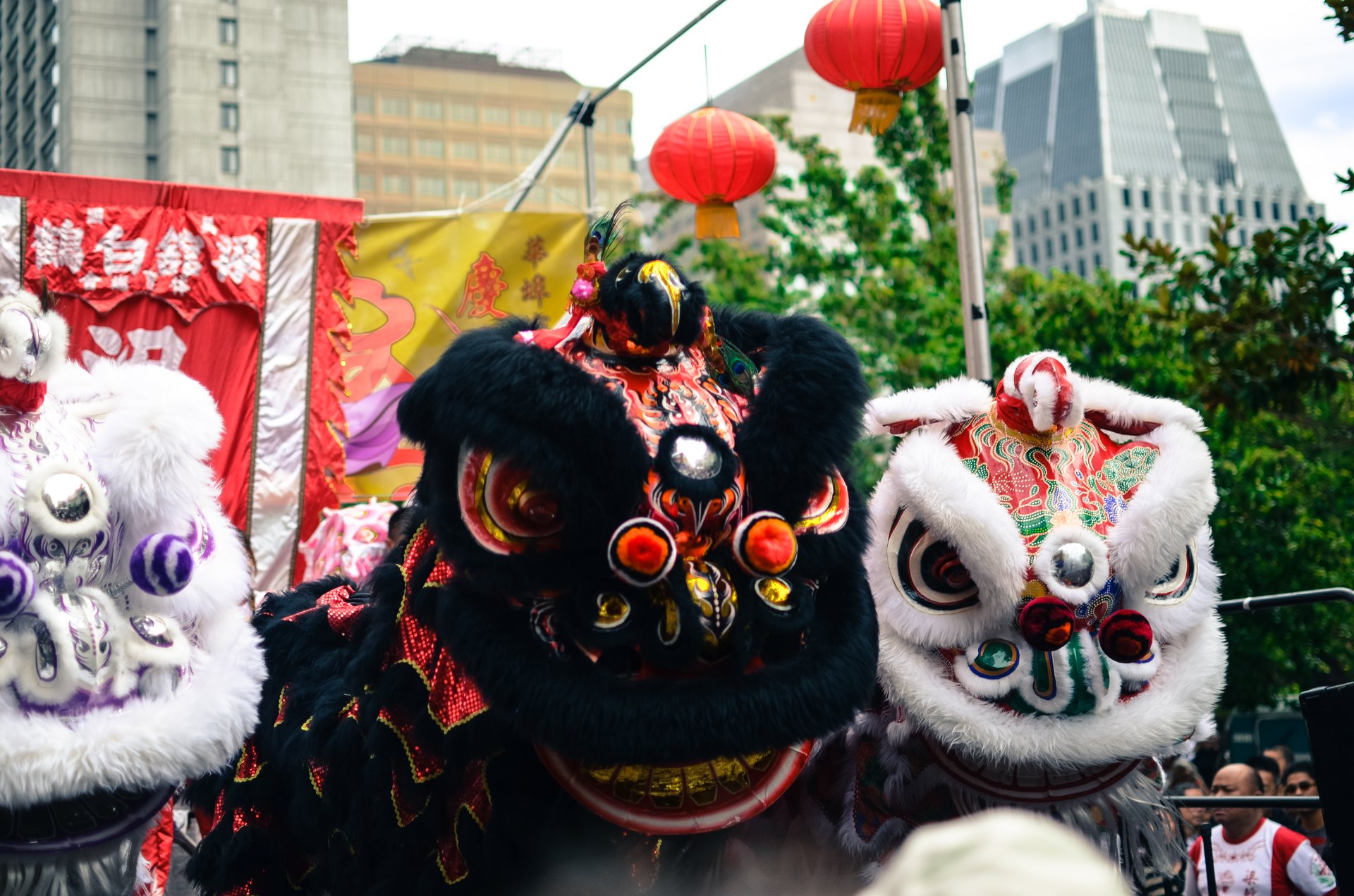
Colorful lion dancers perform during the San Francisco Chinatown Autumn Moon Festival. Photo by Jonathan Chen on Flickr, CC BY 2.0
Why San Francisco Celebrates the Autumn Moon Festival
The Mid-Autumn Festival occurs on the fifteenth day of the eighth month of the Chinese lunar calendar. It is traditionally associated with the harvest, moon viewing, gratitude, family reunion, and the sharing of mooncakes.
The round shape of both the moon and the mooncake carries ideas of completeness and reunion. Traditions vary among Chinese and other Asian communities, but lanterns, seasonal foods, storytelling, family gatherings, and public performances remain closely connected to the celebration.
San Francisco’s version has its own local history. The Chinatown Merchants Association held the first festival in 1991, following the disruption caused by the Loma Prieta earthquake and the loss of the direct freeway connection into Chinatown. The event was conceived as a way to welcome visitors back and support neighborhood merchants.
Today, it belongs to a larger calendar of Chinatown traditions that includes the annual Chinese New Year parade and the neighborhood’s Flower Market.
Although the street festival is held September 19–20, the traditional Mid-Autumn Festival falls on September 25 in 2026. The weekend event gives the community an early opportunity to gather before that lunar-calendar date.
Saturday, September 19: Opening Parade, Dance, and Live Music
Saturday begins with an opening parade and ribbon-cutting ceremony at California Street and Grant Avenue.
Saturday main-stage schedule
- 11:00 a.m.: Opening parade and ribbon-cutting ceremony at California and Grant
- 11:30 a.m.: Yau Kung Moon Lion Dance and Martial Arts
- 12:15–12:45 p.m.: Chinese Folk Dance Association
- 12:45–1:15 p.m.: Khalia and Son of Paper
- 1:15–2:00 p.m.: K-pop Dance Contest
- 2:00–2:10 p.m.: Raffle drawing
- 2:10–2:45 p.m.: Dultones
- 2:45–3:15 p.m.: Flying Angels
- 3:15–3:45 p.m.: Sing Tao Daily
- 3:45–4:45 p.m.: Alice & The Wave
Additional Saturday street programming includes lion dancing and martial arts from the Jing Mo Athletic Association near California and Grant. Festival characters include Moon Goddesses, Moon Gods, and an archer, while the Chinese Photographic Society will present a photography display near Waverly Place and Washington Street.
Arriving shortly before 11:00 a.m. is the best strategy for seeing the opening procession before the Grant Avenue corridor reaches its busiest period.
Sunday, September 20: Taiko, Guzheng, and the Closing Dragon Parade
Sunday’s schedule moves from tai chi and martial arts into taiko, traditional Chinese music, dance, comedy, and a closing dragon parade.
Sunday main-stage schedule
- 10:00 a.m.: Tai Chi Yuen
- 11:00 a.m.: Leung’s White Crane Lion Dance and Martial Arts
- 12:00–12:30 p.m.: Heiwa Taiko
- 12:45–1:15 p.m.: Helen Wang Dance Academy
- 1:30–2:00 p.m.: SF Guzheng Society with Liu Wei Shan
- 2:00–2:10 p.m.: Raffle drawing
- 2:10–2:30 p.m.: Grant Avenue Follies
- 2:45–3:30 p.m.: Dumpling Contest
- 3:30–4:15 p.m.: DuPont Guys
- 4:15–4:30 p.m.: Anita Cheung
- 4:30–5:00 p.m.: Closing White Crane Dragon Parade
The published Sunday program lists tai chi at 10:00 a.m., one hour before the stated general festival opening time. Visitors hoping to attend that session should verify the time on the official event page before leaving.
The afternoon dumpling contest should be especially lively, while the closing dragon parade offers a natural finale for visitors who want to experience the full Sunday program.
Mooncakes, Street Food, and Chinatown Bakeries
Mooncakes are central to the Mid-Autumn season. Traditional versions may contain lotus-seed paste, red-bean paste, mixed nuts, or salted egg yolk, while contemporary bakeries often offer custard, fruit, chocolate, and other variations.
Festival vendors will serve food along the route, but the weekend is also a chance to visit Chinatown’s bakeries, tea shops, grocers, and restaurants. Anyone shopping for mooncakes can compare the festival selection with the broader range found at local Asian markets.
Expect popular vendors to develop lines around lunchtime. Eating earlier, sharing small portions, and carrying water will leave more time for performances and neighborhood exploration. Business hours and special festival menus should be confirmed directly with individual establishments.
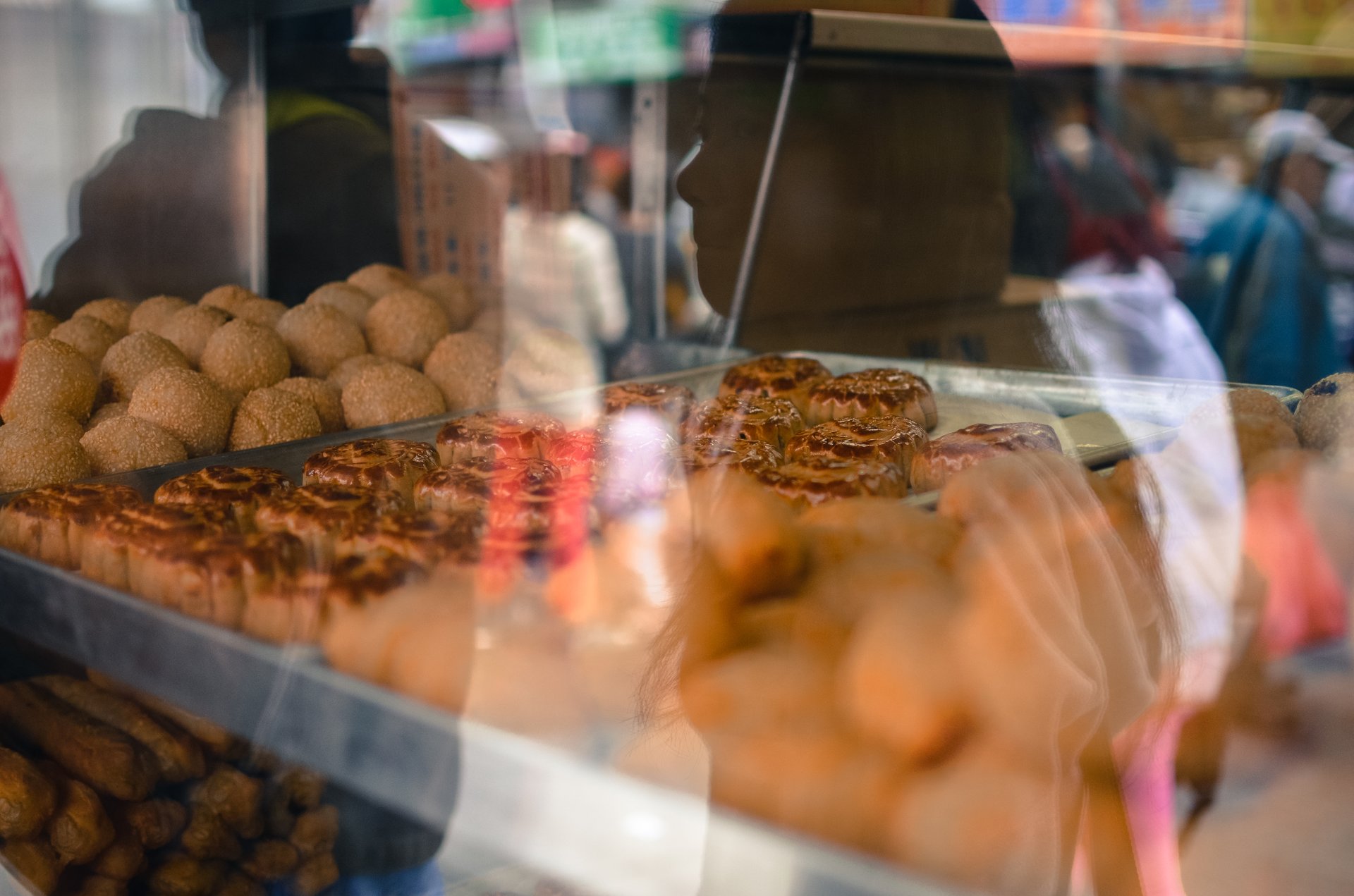
Traditional mooncakes and sesame pastries displayed at the San Francisco Chinatown Autumn Moon Festival. Photo by Jonathan Chen on Flickr, CC BY 2.0
How to Reach the Festival
Public transit is the simplest option because Grant Avenue becomes a pedestrian festival corridor and nearby streets may be affected by closures.
BART
Take BART to Montgomery Street Station. From there, walk north along Montgomery Street, turn left on California Street, and continue toward Grant Avenue. Check BART service advisories on the morning of your visit.
The walk passes close to 555 California Street before climbing toward Chinatown.
Muni
Nearby Muni service includes the 1 California, 30 Stockton, 45 Union/Stockton, and California Street cable car. Use the SFMTA trip planner for current routing and weekend service alerts. A broader overview of public transportation can help visitors plan connections from elsewhere in the city.
Parking
The festival website identifies Portsmouth Square Garage at 733 Kearny Street as a nearby public parking option. Space may be limited, and surrounding traffic is likely to be slow. Drivers should confirm the current garage address, hours, rates, and availability before arriving.
A Sensible Route Through the Festival
Grant Avenue slopes gently north through the heart of the celebration. A straightforward route begins near California Street, follows the vendor corridor toward Washington Street and the main stage, and continues north toward Broadway.
Starting near Union Square also makes it possible to enter Chinatown through the Dragon Gate at Bush Street before reaching the official festival blocks.
Along the way, take time to look beyond the vendor booths. Waverly Place is known for its painted balconies and association buildings, while nearby Ross Alley offers one of the neighborhood’s most intimate pedestrian passages. Because these are active residential and commercial spaces, visitors should avoid blocking doorways or treating private entrances as photo sets.
At Broadway, Chinatown meets North Beach, making it easy to continue the afternoon with a walk along Columbus Avenue. The contrast between the two neighborhoods is part of what makes this corner of San Francisco so rewarding on foot.
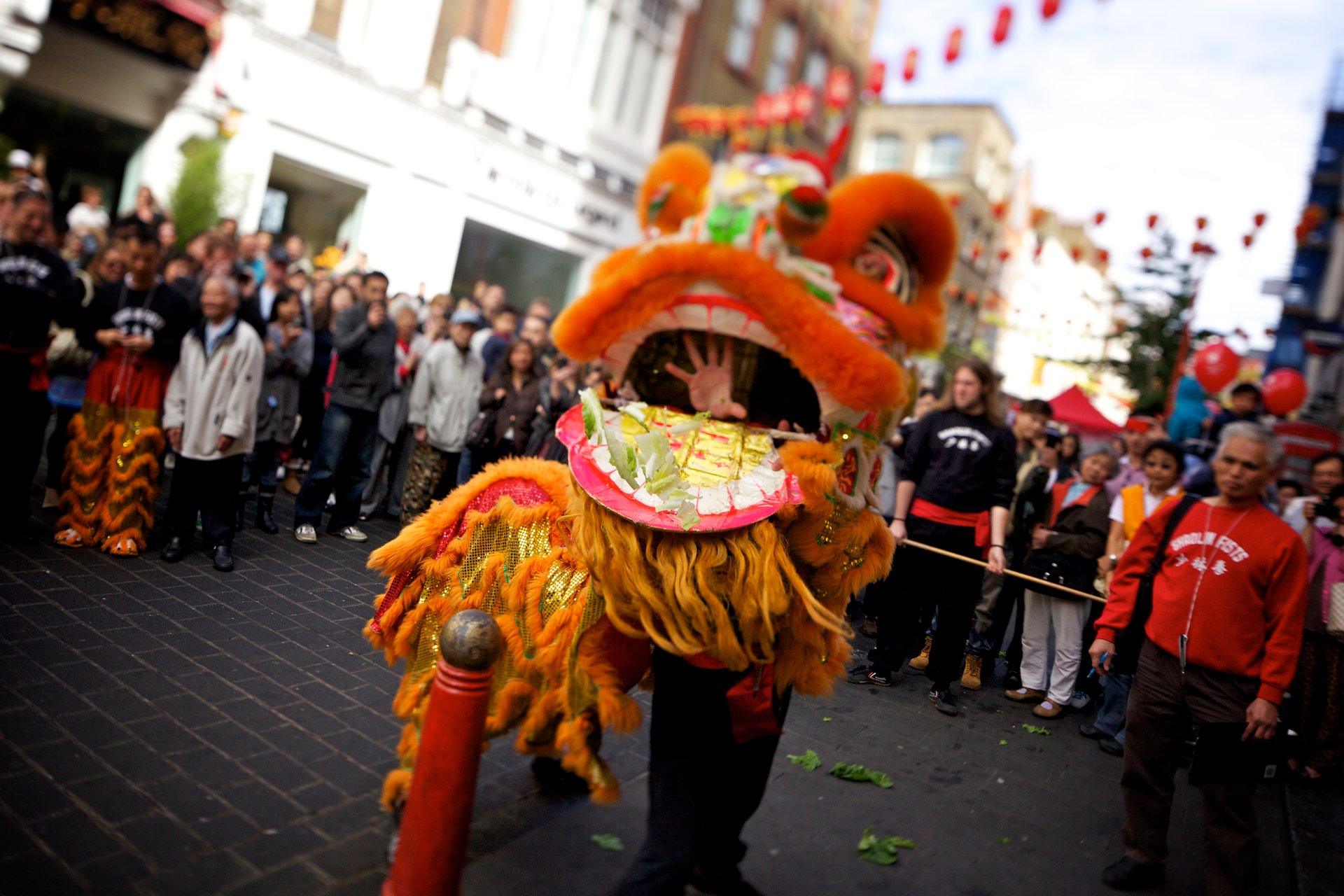
A colorful lion dance performance draws a crowd along a decorated street in San Francisco Chinatown.Photo by Aurelien Guichard on Flickr, CC BY-SA 2.0
What Else to See Before or After the Festival
Visitors coming from the Embarcadero can begin with breakfast at the Ferry Building before walking or taking transit toward Chinatown. Its weekly events should be checked separately because programming varies by day.
Those interested in a wider view of Asian art and cultural history can plan a separate stop at the Asian Art Museum in Civic Center. It is not adjacent to the festival, so allow additional transit time rather than trying to squeeze it into a short Chinatown visit.
For a slower finish, continue into North Beach for tea, dessert, or a look at San Francisco’s coffee culture. Clear-weather waterfront walks farther east may also offer views toward Alcatraz.
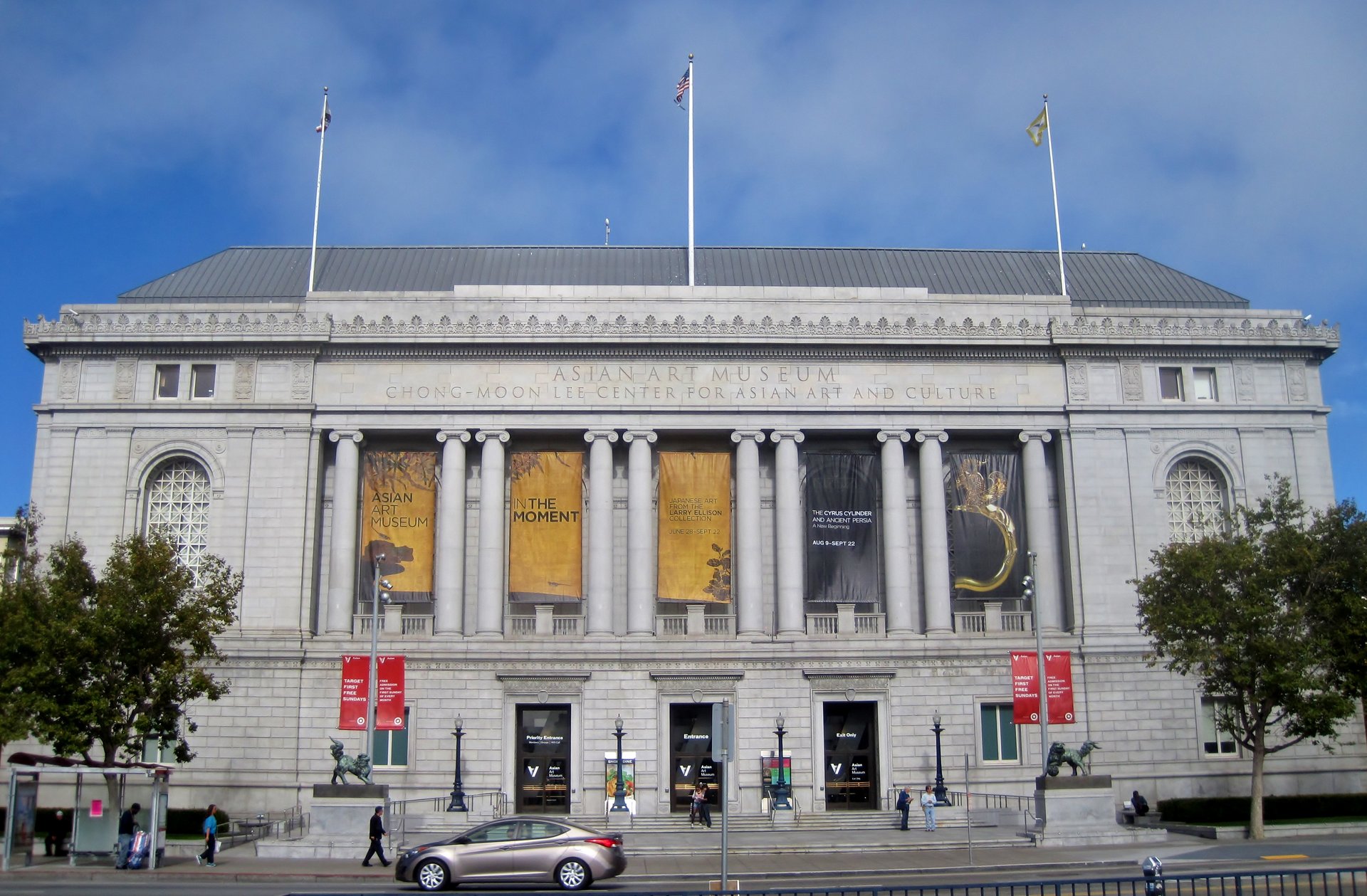
The Asian Art Museum's grand neoclassical façade offers a cultural stop to explore after the Chinatown Autumn Moon Festival. Photo by Teemu008 onFlickr. CC BY-SA 2.0
Practical Tips for Festival Weekend
- Arrive before noon for easier movement and a clearer view of early performances.
- Use transit and check day-of service alerts.
- Wear comfortable shoes; Chinatown includes hills and crowded pavement.
- Bring layers for changing San Francisco temperatures.
- Carry water, but plan to support neighborhood food and drink businesses.
- Bring a compact bag rather than a large backpack.
- Ask permission before photographing performers or people at close range.
- Do not touch lion or dragon dance costumes unless invited.
- Keep sidewalks, doorways, and residential entrances clear.
- Check the official schedule again before attending because performances may change.
- Confirm individual restaurant and shop hours directly.
The Autumn Moon Festival is at its best when treated as both a major public celebration and a day in a living neighborhood. Watch the performances, try a mooncake, browse local shops, and leave enough room in the schedule to notice the alleys, balconies, family associations, bakeries, and everyday street life surrounding Grant Avenue.
Frequently Asked Questions
When is the San Francisco Chinatown Autumn Moon Festival in 2026?
The festival takes place Saturday, September 19, and Sunday, September 20, 2026. General festival hours are 11:00 a.m.–5:00 p.m. each day.
Where is the 2026 Autumn Moon Festival?
The main festival corridor is Grant Avenue between California Street and Broadway in San Francisco Chinatown. The main stage is at Washington Street and Grant Avenue.
Is the Chinatown Autumn Moon Festival free?
Yes. Admission to the street festival is free. Visitors should bring money for food, mooncakes, shopping, and transportation.
Is the street festival held on the traditional Mid-Autumn Festival date?
No. The Chinatown event is September 19–20, while the traditional Mid-Autumn Festival falls on Friday, September 25, 2026.
What happens at the festival?
The announced program includes lion and dragon dancing, martial arts, Chinese folk dance, taiko, guzheng, live music, a K-pop dance contest, children’s activities, food vendors, mooncakes, a photography display, raffles, and a dumpling contest.
What is the best way to get there?
Public transit is recommended. Montgomery Street is the closest BART station, while nearby Muni options include the 1, 30, 45, and California Street cable car. Check day-of service advisories.
Is the festival suitable for children?
Yes. The organizer describes it as a family event with children’s activities, performances, festival characters, food, and cultural demonstrations. Crowds can become dense, so families may prefer arriving early.
Will streets be closed?
Grant Avenue between California Street and Broadway is scheduled as the main street-fair corridor. The organizer also says Pacific Avenue between Stockton and Kearny will be pedestrian-only. Final closure details should be verified closer to the event.