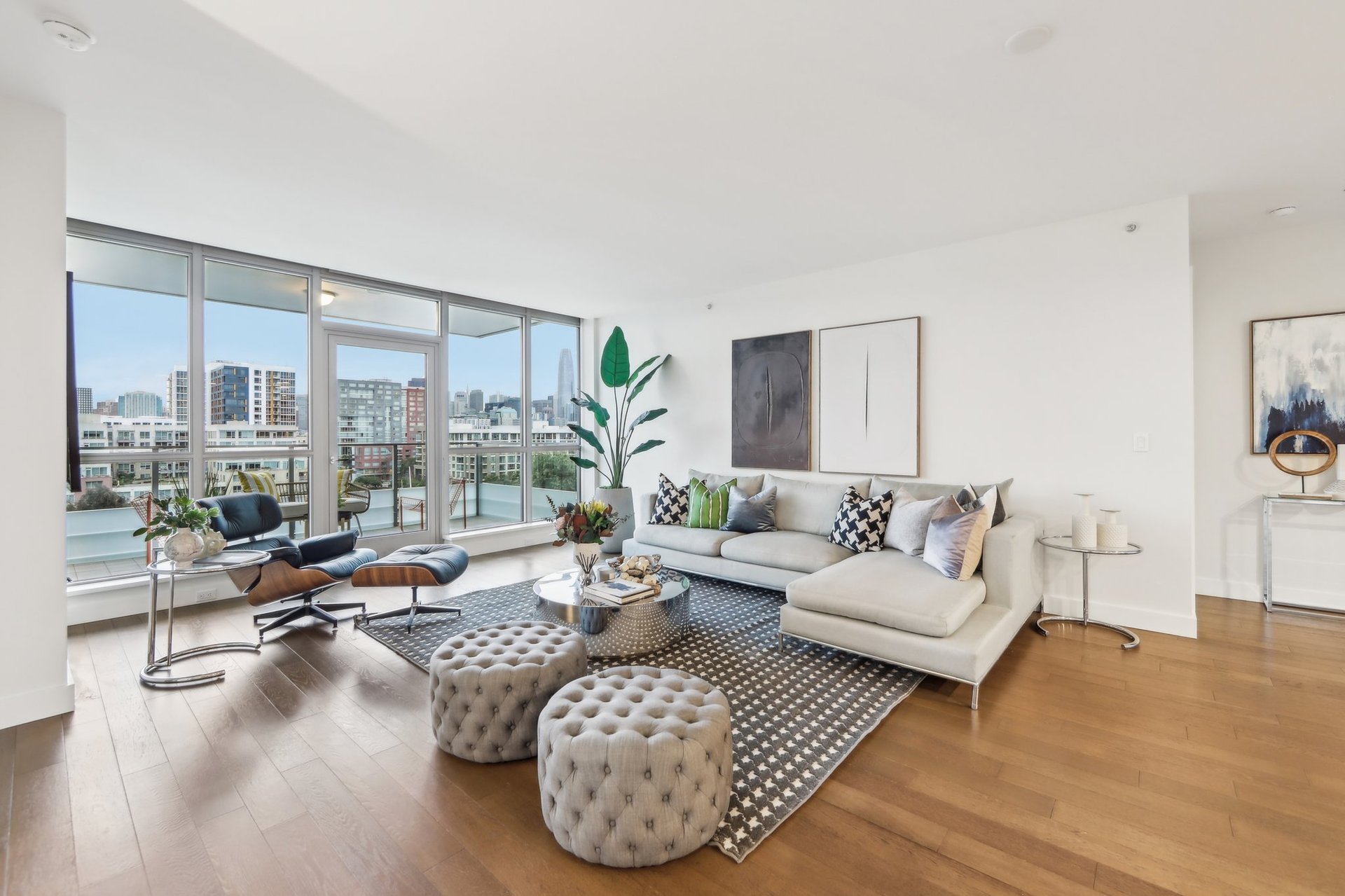
An occupied unit in a softening market — and the case for starting before you can show
When our client came to us with Arden 717, the structural constraints were immediate and compounding. The unit was occupied. That single fact — invisible to most buyers browsing listings — is one of the most costly liabilities a seller can carry into a condo market. In a segment where presentation drives urgency and urgency drives competition, a property that cannot be staged, photographed at its best, or shown freely is a property that asks buyers to imagine rather than commit. In a softening market, buyers do not imagine. They wait.
The broader market context offered no relief. San Francisco condo prices had declined approximately 3% year-over-year, and inventory continued to accumulate. The district median days on market had settled at 51. Buyers entering the Mission Bay segment in early 2025 carried algorithmic valuations, rising leverage, and a clear understanding that patience — not urgency — was their strategic advantage. They had every structural reason to look past a listing that could not immediately deliver a turn-key experience.
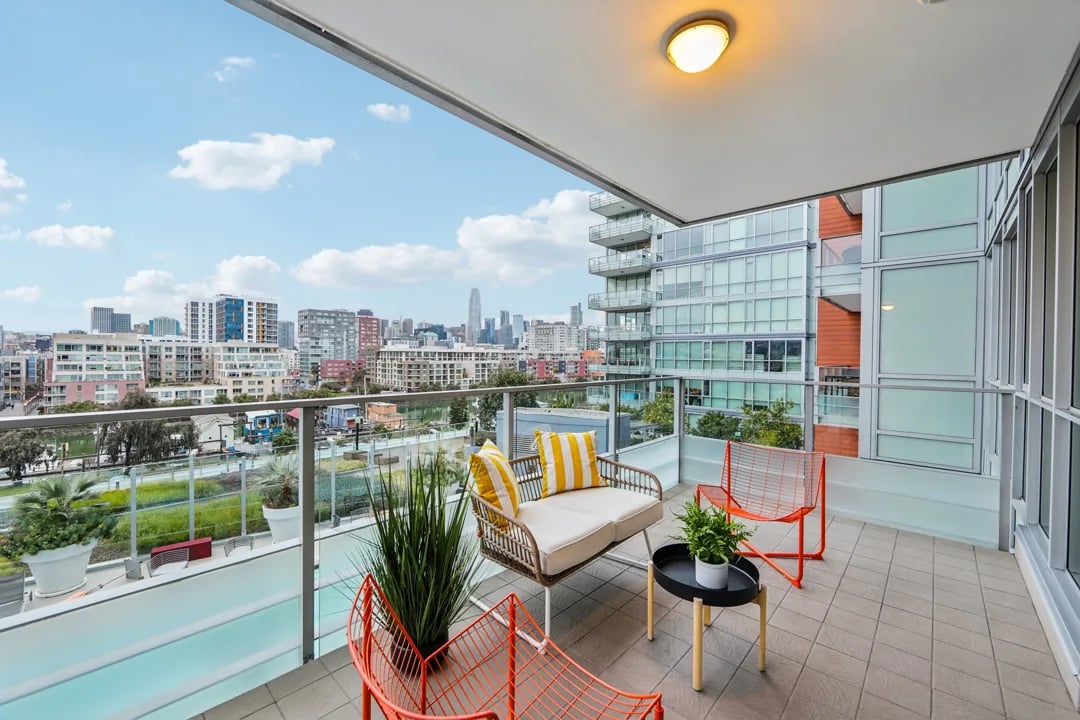
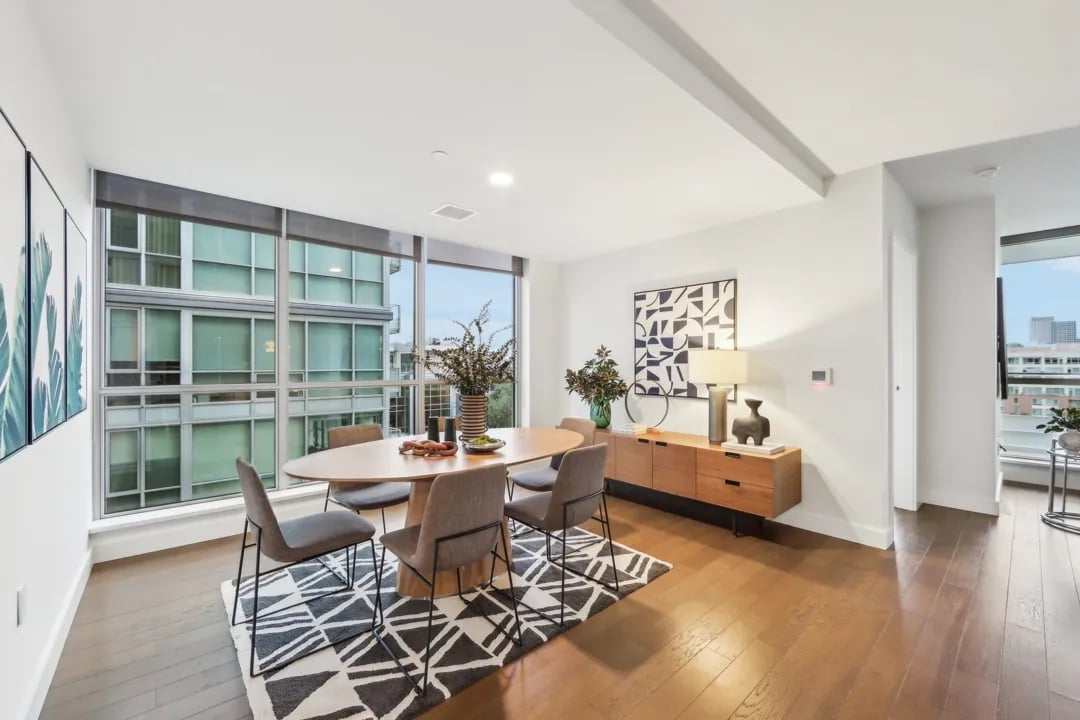
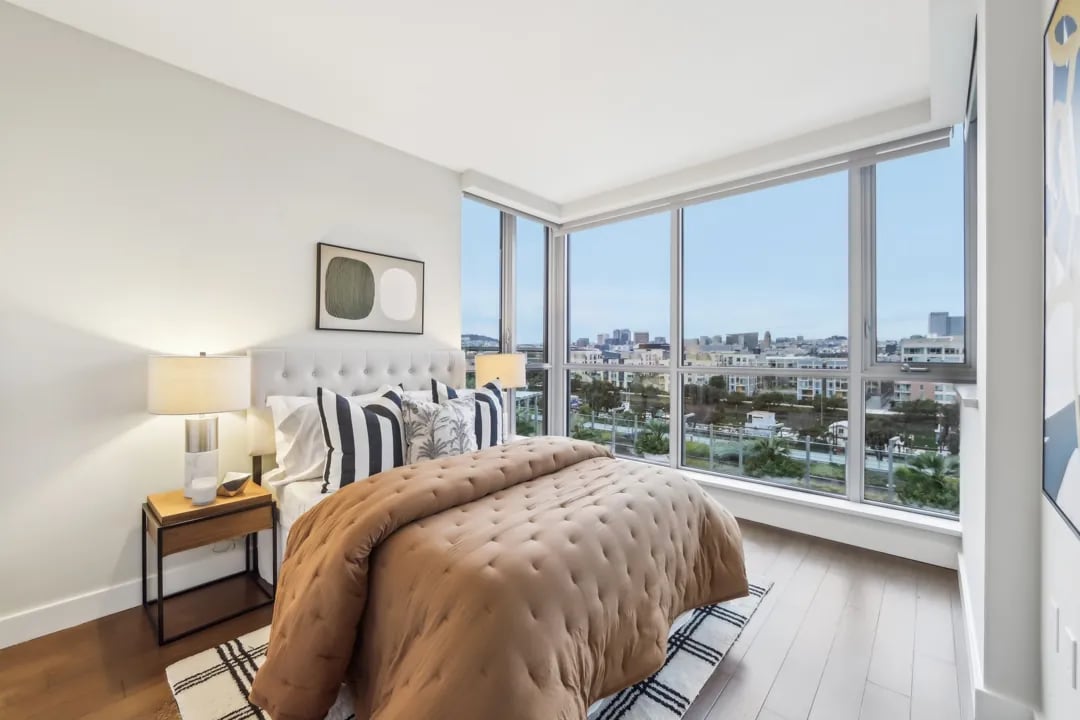
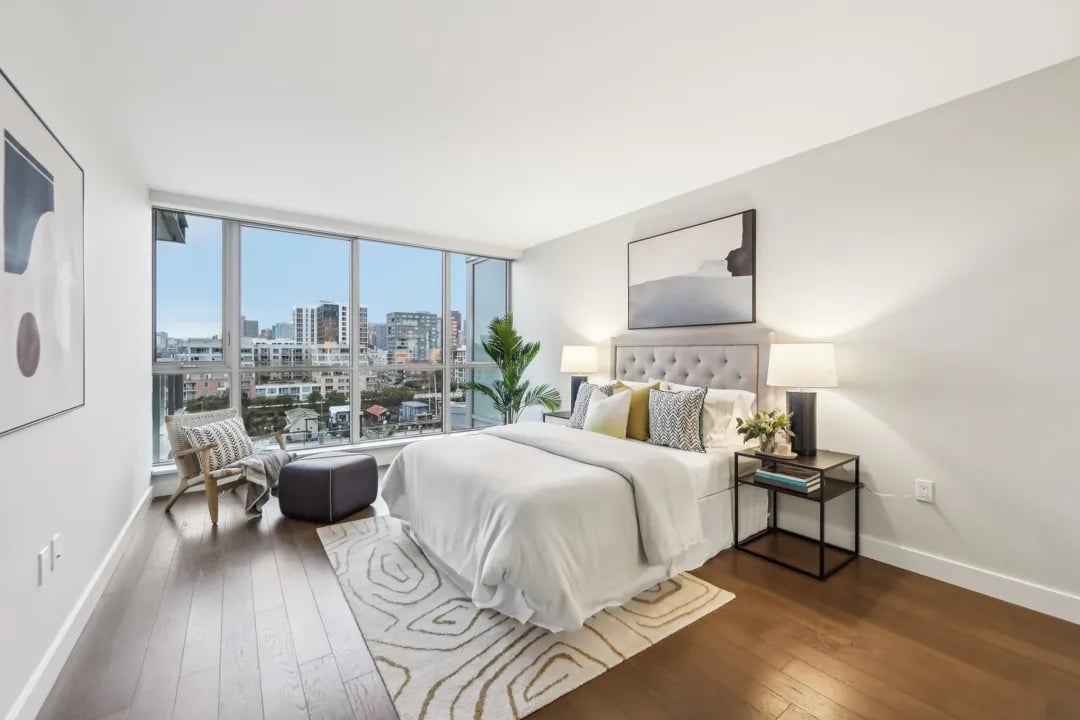
The question was not whether Arden 717 had the intrinsic qualities to command a premium. It did — 1,435 square feet, an elevated floor position, resort-caliber amenities, and a layout that reads as generously as any unit in the building. The question was whether we could manufacture the competitive demand for it before the market ever set foot inside.
Answering that question required a pre-market infrastructure built entirely around the occupied constraint. We could not wait for vacancy to begin. We built the campaign while the tenant was still in residence — and by the time the door opened, the buyers were already there.